
.jpeg)
The difference between giritinib (segatan) and traditional chemotherapy drugs in the treatment of leukemia
Gilteritinib (Gilteritinib) is a new type of targeted therapy drug, mainly used to treat relapsed or refractory FLT3 mutant acute myeloid leukemia (AML). Compared with traditional chemotherapy drugs, the biggest advantage of giritinib is its precision. Traditional chemotherapy often inhibits rapidly dividing cells through broad-spectrum killing. It not only attacks cancer cells, but also damages normal hematopoietic cells, hair follicle cells and gastrointestinal cells, resulting in severe bone marrow suppression, hair loss, nausea and vomiting and other side effects. Giritinib blocks the growth and proliferation of leukemia cells by specifically inhibiting the FLT3 tyrosine kinase mutation pathway, so the side effects are relatively controllable and the treatment is more targeted.
In terms of efficacy, giritinib has brought significant survival benefits to someAML patients. Clinical trials have shown that the overall response rate and overall survival of patients treated with giritinib are better than those of patients treated with traditional chemotherapy alone, especially in people with FLT3-ITD or TKD mutations. In contrast, traditional chemotherapy, although still the cornerstone of AML treatment, has limited efficacy in relapsed or refractory cases, and problems of drug resistance and relapse often occur. Therefore, the emergence of giritinib provides a new treatment option for this high-risk population.
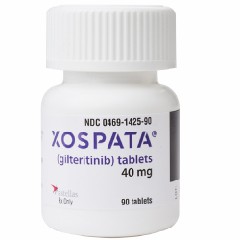
The differences between the two are also large in terms of tolerance and quality of life. Traditional chemotherapy often requires hospitalization for intravenous infusion, and patients suffer from long-term decline in immune function and risk of infection. As an oral small molecule drug, giritinib is more convenient to administer. Patients can complete the medication in the outpatient clinic or even at home, which greatly improves compliance and quality of life. Although giritinib may also cause side effects such as abnormal liver function, fatigue, muscle pain, and prolongation of the QT interval, these adverse effects are easier to manage in most cases compared with traditional chemotherapy.
In general, the differences between giritinib and traditional chemotherapy in the treatment of AML are mainly reflected in the mechanism of action, scope of efficacy, side effect characteristics and administration methods. It represents the trend of precision treatment of AML and opens up new hope for patients with FLT3 mutations. However, at present, giritinib cannot completely replace chemotherapy. In many cases, it needs to be used in combination with other drugs or transplantation methods to achieve more lasting remission. Therefore, in the future treatment of AML, the rational combination or sequential use of giritinib and chemotherapy drugs may become a key strategy to improve the overall efficacy.
Reference materials:https://www.drugs.com/
[ 免责声明 ] 本页面内容来自公开渠道(如FDA官网、Drugs官网、原研药厂官网等),仅供持有医疗专业资质的人员用于医学药学研究参考,不构成任何治疗建议或药品推荐。所涉药品可能未在中国大陆获批上市,不适用于中国境内销售和使用。如需治疗,请咨询正规医疗机构。本站不提供药品销售或代购服务。


