
.jpeg)
Is the effect of pirfenidone (Aisrei) significant and analysis of real clinical data
Pirfenidone (Pirfenidone) is an anti-fibrosis and anti-inflammatory small molecule drug, mainly used to treat idiopathic pulmonary fibrosis (IPF). The disease is characterized by the gradual replacement of lung tissue by fibrosis, leading to an irreversible decline in lung function and ultimately respiratory failure. In the past, IPF lacked effective treatments and the prognosis of patients was extremely poor. Pirfenidone slows down the progression of pulmonary fibrosis by inhibiting fibrosis-related signaling pathways such as transforming growth factor-β (TGF-β) and platelet-derived growth factor (PDGF). Its mechanism of action determines that it does not reverse the disease, but delays the progression of the disease and reduces the rate of decline in lung function.
In terms of clinical trials, a number of large randomized controlled studies (such as the CAPACITY and ASCEND trials) have proven the efficacy of pirfenidone. Compared with the placebo group, pirfenidone can significantly reduce the decline in patients' vital capacity (FVC) within one year and delay disease progression. In addition, studies have shown that pirfenidone can reduce the incidence of exacerbations and improve 6 minute walking distance (6MWD) in some patients. These results provided solid evidence-based medical evidence for its approval, making it one of the internationally recognized first-line drugs for IPF.
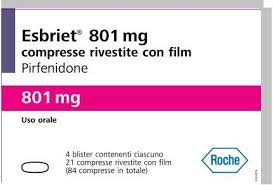
In real-world clinical applications, the efficacy of pirfenidone is basically consistent with the trial results. Multi-center registration studies in various countries have shown that patients who receive long-term pirfenidone treatment have a significantly slower decline in lung function and a longer overall survival. Some studies also found that patients who were diagnosed early and used pirfenidone early had more significant benefits, suggesting the importance of early intervention. At the same time, real clinical data shows that patient compliance and tolerance are crucial to the efficacy.
However, pirfenidone also has certain side effects, the most common of which are gastrointestinal reactions (such as nausea, decreased appetite, indigestion) and photosensitive rash. In most cases, side effects can be managed by gradually increasing the dose, along with dietary modifications and sun protection. In summary, pirfenidone has a significant effect in delaying the progression of IPF, and both clinical data and real-world evidence support its long-term application value. However, it needs to be emphasized that it does not cure the disease, so patients should take medication regularly under the guidance of a doctor, combined with regular follow-up and lifestyle adjustments to maximize benefits.
Reference materials:https://www.drugs.com/
[ 免责声明 ] 本页面内容来自公开渠道(如FDA官网、Drugs官网、原研药厂官网等),仅供持有医疗专业资质的人员用于医学药学研究参考,不构成任何治疗建议或药品推荐。所涉药品可能未在中国大陆获批上市,不适用于中国境内销售和使用。如需治疗,请咨询正规医疗机构。本站不提供药品销售或代购服务。


