
.jpeg)
The difference and choice between brigatinib/brigatinib (Embry) and alectinib
In the treatment of ALK-positive non-small cell lung cancer (NSCLC), Brigatinib/Brigatinib (Brigatinib) and alectinib (Alectinib) are two widely used second-generation ALK-targeting drugs. Both stem from the idea of u200bu200bu200bu200bsolving the resistance problem of first-generation crizotinib, but there are obvious differences in structural characteristics, clinical manifestations, and usage scenarios. Therefore, how to choose between brigatinib and alectinib has become a common topic of concern among clinicians and patients.
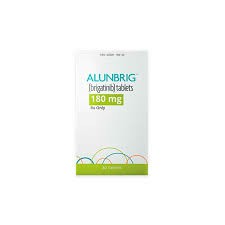
From the perspective of drug classification, brigatinib and alectinib both belong to the second generationALK inhibitors, but their coverage of drug-resistant mutations is not completely consistent. In its molecular design, brigatinib emphasizes its adaptability to mutations in the ALK kinase domain, and shows high inhibitory activity against some common drug-resistant mutations such as G1202R. Alectinib has unique advantages in blood-brain barrier permeability and can show better results in the control of brain metastasis. Therefore, if the patient's disease features are predominantly brain metastases, alectinib may be more commonly recommended, whereas if the patient progresses due to resistance mutations after crizotinib treatment, brigatinib is often more clinically valuable.
In terms of adverse reactions, brigatinib and aletinib have their own characteristics. One of the more special side effects of brigatinib is early pneumonia-like reaction. Although the incidence is low, it requires close observation by the clinical team in the early stage of medication. The common side effects of aletinib are mostly gastrointestinal reactions and musculoskeletal symptoms, such as constipation, myalgia, etc. Overall, the adverse reactions of both can be controlled through monitoring and dose adjustment, so the safety profile is acceptable in long-term treatment.
Judging from the recommendations of global treatment guidelines, alectinib was included earlier as a standard choice for first-line treatment of ALK-positive NSCLC, and is widely used due to its data on prolonging progression-free survival. Brigatinib has been shown to have first-line use value in subsequent studies, especially in some areas, where brigatinib has been included as a first-line alternative recommended by guidelines. In other words, in terms of treatment sequence selection, alectinib is more often used as the initial treatment, while brigatinib can not only be used as the second line, but also gradually becomes first-line competitive.
For patients, the choice between brigatinib and alectinib is not a single answer, but requires a combination of multiple factors. If the patient has brain metastasis as the main challenge, the clinical advantage of alectinib is more obvious; if the patient progresses due to drug-resistant mutations, brigatinib has more potential in terms of coverage and depth of treatment. In addition, the patient's basic health status, side-effect tolerance, financial status and drug accessibility will all become important factors affecting decision-making. Therefore, the best choice still depends on the doctor's comprehensive judgment based on molecular testing results and individualized conditions.
Reference materials:https://www.alunbrig.com/
[ 免责声明 ] 本页面内容来自公开渠道(如FDA官网、Drugs官网、原研药厂官网等),仅供持有医疗专业资质的人员用于医学药学研究参考,不构成任何治疗建议或药品推荐。所涉药品可能未在中国大陆获批上市,不适用于中国境内销售和使用。如需治疗,请咨询正规医疗机构。本站不提供药品销售或代购服务。


