
.jpeg)
What diseases are specifically indicated for Sorafenib/Nexavar?
Sorafenib/Nexavar (Sorafenib) is an oral multi-target tyrosine kinase inhibitor (TKI) that occupies an important position in the field of targeted tumor treatment. It slows tumor growth and inhibits metastasis by inhibiting various signaling pathways related to tumor cell proliferation and angiogenesis. According to the approval of the FDA and EMA, the main indications of sorafenib include advanced hepatocellular carcinoma (HCC), advanced renal cell carcinoma (RCC) and radioactive iodine-refractory differentiated thyroid cancer (DTC). These three major types of diseases constitute the core areas of clinical use of sorafenib.
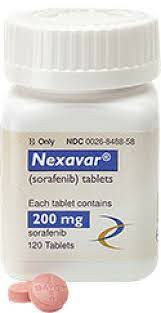
In the treatment of liver cancer, sorafenib is the first targeted drug approved in the world for the treatment of advanced hepatocellular carcinoma. Its main mechanism of action is to inhibit Raf kinase and receptors related to angiogenesis such as VEGFR and PDGFR, thereby blocking tumor growth signaling. For patients who cannot be surgically resected or who have failed local treatment, sorafenib has become one of the first choices for systemic treatment and has also been included in many liver cancer treatment guidelines around the world.
In the field of renal cancer, sorafenib is used to treat advanced renal cell carcinoma, especially in patients who have not responded well to cytokine therapy (such as interferon or interleukin-2). It can effectively inhibit the formation of new blood vessels in tumors, delay disease progression, and improve patients' quality of life. The convenience of its oral dosage form also makes it one of the important choices for targeted treatment of kidney cancer.
For differentiated thyroid cancer, sorafenib is mainly used for patients who have recurrence or metastasis after surgery and radioactive iodine therapy and are insensitive to radioactive iodine therapy. Studies have shown that the drug can significantly delay tumor progression and improve disease control rates, making it an important systemic drug for radioactive iodine-refractory thyroid cancer.
In addition, the indications of sorafenib have been further expanded in recent years, and some studies have explored its potential application in other malignant tumors such as lung cancer, melanoma and gastrointestinal stromal tumors (GIST), which shows that the drug still has great development potential in the field of multi-target anti-cancer.
Reference materials:https://www.nexavar.com/
[ 免责声明 ] 本页面内容来自公开渠道(如FDA官网、Drugs官网、原研药厂官网等),仅供持有医疗专业资质的人员用于医学药学研究参考,不构成任何治疗建议或药品推荐。所涉药品可能未在中国大陆获批上市,不适用于中国境内销售和使用。如需治疗,请咨询正规医疗机构。本站不提供药品销售或代购服务。


