
.jpeg)
Summary of the latest version of the instructions for Clofazimine/Semprol
Clofazimine (Clofazimine) is a drug with unique antibacterial and immunomodulatory effects. Its English name is Clofazimine. Its main clinical use is still focused on the treatment of leprosy, especially for patients with tumor-type leprosy. As part of a treatment regimen, clofazimine is often used in combination with dapsone to enhance its inhibitory effect on Mycobacterium leprae and reduce the risk of relapse and drug resistance. In infections with sulfone-resistant strains, clofazimine is also often used in combination with rifampicin or ethionamide to provide more comprehensive treatment coverage. In addition, for erythematous nodular leprosy reactions and other acute drug-induced leprosy reactions, clofazimine can reduce the inflammatory reaction and improve clinical symptoms to a certain extent.
In recent years, the indications of clofazimine have been expanded in clinical research. In the case of AIDS patients with atypical mycobacterial infections, clofazimine can be used in combination with other anti-tuberculosis drugs. Although the efficacy of such drugs is not yet fully satisfactory, it still shows some potential in some difficult-to-treat infections. This multi-application feature enables clofazimine to maintain an irreplaceable position in the field of global leprosy and drug-resistant infection prevention and treatment.
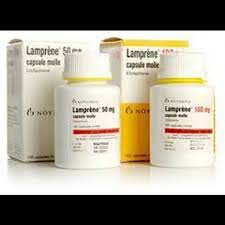
According to the latest version of the instructions, the dosage of clofazimine varies depending on the patient type and condition. For patients with various types of leprosy who are resistant to dapsone, the usual dose is 50 to 100 mg orally, once a day, and it needs to be used in combination with one or more other anti-leprosy drugs to ensure that the drug reaches an effective concentration in the tissue. For patients with erythematous nodular leprosy reactions, especially in ominous cases with nerve damage or skin ulcers, the dose of clofazimine can be increased to 100 to 300 mg once a day, while helping to reduce the use of prednisone. After symptoms are controlled, the dose should be gradually reduced to 100 mg per day, and prednisone should be gradually reduced after two months of continuous use to avoid rebound inflammation. For patients without severe signs of nerve damage or skin ulcers, dapsone-resistant leprosy treatment plans are followed.
In the treatment of dapsone-sensitive leprosy, clofazimine also needs to be used in combination with two other antileprosy drugs. It is recommended that the three-drug combination therapy be continued for at least two years until the skin smear bacterial test turns negative, and then it can be gradually reduced to a single-drug maintenance course to reduce the risk of recurrence. The maximum daily dose for adults should not exceed 300mg, and the dose for children has not yet been determined, so it is not recommended to be used casually in children.
In clinical practice, when using clofazimine, attention should be paid to the adverse reactions caused by the characteristics of the drug. Long-term use may cause skin pigmentation, making the skin brown or dark red. This is a common manifestation of drug deposition in skin and fatty tissue, and usually does not cause serious effects on health. In addition, some patients may experience gastrointestinal discomfort, such as nausea, loss of appetite, etc., so it is recommended to take it with meals to reduce discomfort. Long-term use of large doses of medication may also put a certain amount of pressure on the liver or other organs and needs to be adjusted under the supervision of a doctor.
Overall, clofazimine, as the core drug in the treatment of leprosy and drug-resistant infections, has high clinical safety, but rational use of medication and strict compliance with doctor's instructions are still the key to ensuring efficacy. By being used in combination with other anti-leprosy drugs and administered according to standardized treatment courses, clofazimine can effectively improve patient prognosis while reducing the risk of complications and recurrence.
Reference materials:https://www.novartis.com/our-products/pipeline/clofazimine
[ 免责声明 ] 本页面内容来自公开渠道(如FDA官网、Drugs官网、原研药厂官网等),仅供持有医疗专业资质的人员用于医学药学研究参考,不构成任何治疗建议或药品推荐。所涉药品可能未在中国大陆获批上市,不适用于中国境内销售和使用。如需治疗,请咨询正规医疗机构。本站不提供药品销售或代购服务。


