
.jpeg)
Detailed description of the indications and applicable groups of pirfenidone (Aisri)
Pirfenidone (Pirfenidone, trade names: Avila, Esbriet , etc.) is an oral anti-fibrotic drug with dual action mechanisms of anti-inflammatory and anti-fibrosis. It can inhibit the proliferation and collagen deposition of fibroblasts and regulate a variety of cytokines (such as TGF-β), thereby slowing down the progression of pulmonary fibrosis. As the earliest anti-fibrosis treatment drug approved internationally, pirfenidone has many years of experience in clinical application.
Currently, the main indication for pirfenidone is Mild to moderate idiopathic pulmonary fibrosis (IPF). Multiple clinical studies have shown that it can effectively delay the decline of lung function, reduce the risk of acute exacerbation, and improve the long-term survival rate of patients to a certain extent. Some studies are also exploring its potential in other types of pulmonary fibrotic diseases, such as systemic sclerosis-related interstitial lung disease, but these are still in clinical trials and have not yet become official indications.
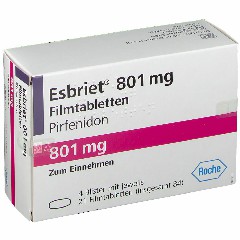
Pirfenidone is suitable for patients with mild to moderate IPF confirmed by imaging and/or pathology, especially those with a tendency of declining lung function. For patients who are older, have poor pulmonary functional reserve, or cannot tolerate traditional immunosuppressive therapy, pirfenidone is often one of the first-choice options. However, for patients who have progressed to advanced stages, have severe hypoxemia, or require long-term oxygen therapy, the benefit of drugs is limited and they need to be combined with other supportive treatments.
When using pirfenidone, attention should be paid to gradually increasing the dose from a low dose to improve tolerance. At the same time, liver function needs to be monitored, and concomitant use with strong CYP1A2 inhibitors or inducers should be avoided. Common side effects include photosensitivity reactions, nausea, decreased appetite, and fatigue. The suitable patient group is often those who have been diagnosed with IPF and whose lung function still retains a certain level. Overall, the advent of pirfenidone provides a new treatment option for IPF this highly fatal disease, significantly improving patients' long-term survival hopes.
Reference materials:https://www.drugs.com/
[ 免责声明 ] 本页面内容来自公开渠道(如FDA官网、Drugs官网、原研药厂官网等),仅供持有医疗专业资质的人员用于医学药学研究参考,不构成任何治疗建议或药品推荐。所涉药品可能未在中国大陆获批上市,不适用于中国境内销售和使用。如需治疗,请咨询正规医疗机构。本站不提供药品销售或代购服务。


