
.jpeg)
Possible adverse reactions of Axitinib (Inlida) and daily preventive care methods
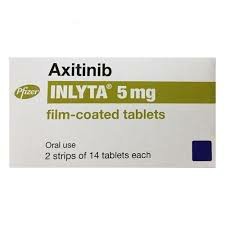
Axitinib (Axitinib, trade name Inlyta) is an oral small molecule tyrosine kinase inhibitor (TKI), mainly used to treat advanced or metastatic clear cell renal cell carcinoma (mRCC). As a targeted therapeutic drug, axitinib can effectively inhibit the vascular endothelial growth factor receptor (VEGFR) signaling pathway, thereby preventing tumor angiogenesis and tumor growth. However, like most targeted drugs, axitinib may cause a variety of adverse reactions during treatment, affecting patients' quality of life and treatment tolerance. Therefore, understanding the adverse reaction characteristics and daily care methods of axitinib is of great significance to the safe use of the drug by patients.
1. Common adverse reactions and countermeasures
1.Hypertension (Hypertension)
One of the most common adverse reactions of axitinib is hypertension, with an incidence rate of more than 40%. High blood pressure may cause symptoms such as headache, dizziness, and heart palpitations. In severe cases, it may lead to cardiovascular events. Preventive measures include:
Assess blood pressure and establish baseline values before treatment.
Monitor blood pressure regularly, especially weekly during the first two months of treatment.
When high blood pressure occurs, antihypertensive drugs can be used under the guidance of a doctor.
Maintain a low-salt diet, exercise appropriately, and avoid mental stress.
2.Fatigue and weakness (Fatigue)
Most patients will experience varying degrees of fatigue or weakness after taking axitinib, which is related to the drug's inhibition of tumor angiogenesis and metabolic changes. Care recommendations include:
Get enough sleep and avoid overexertion.
Engaging in light to moderate exercise, such as walking or stretching, can improve your strength and mental state.
Arrange daily life reasonably and allocate activities and rest time.
3.Gastrointestinal Reactions (Gastrointestinal Reactions)
Common gastrointestinal adverse reactions of axitinib include diarrhea, nausea, vomiting, loss of appetite, etc. Daily care measures:
Eat in small portions and avoid greasy and spicy foods.
Drink plenty of water to maintain hydration and prevent dehydration.
For mild diarrhea, anti-diarrhea drugs can be used under the guidance of a doctor.
If severe diarrhea or vomiting occurs, seek medical attention promptly to prevent electrolyte imbalance.
4.Hand-Foot SyndromeHand-Foot Syndrome
Hand-foot syndrome presents with redness, swelling, pain, or peeling of the palms and soles of the feet. Care methods include:
Keep hands and feet clean and dry and avoid prolonged friction or high temperature environments.
Moisturize with a mild hand or foot cream.
When pain or rash occurs, you can use topical ointment or reduce the dosage under the guidance of your doctor.
2. Adverse reactions that are rare but require vigilance
1.Bleeding tendency (Bleeding)
Axitinib may cause nosebleeds, bleeding gums, or bruising on the skin. Patients should avoid using drugs that can easily cause bleeding, such as aspirin or non-steroidal anti-inflammatory drugs (NSAIDs), and promptly notify their doctor of any abnormal bleeding.
2.Abnormal liver function (Hepatic Dysfunction)
Axitinib can cause an increase in liver enzymes, such as AST and ALT. It is recommended that patients undergo regular liver function tests before and during treatment, and seek medical attention promptly if abnormalities are found.
3.Abnormal thyroid function (Hypothyroidism)
Taking axitinib may cause a decrease in thyroid function, which may manifest as fatigue, weight gain, or a feeling of coldness. Thyroid function should be monitored regularly, and medication adjustments or supplementary treatments should be made according to the doctor's recommendations.
4.Proteinuria (Proteinuria)
Axitinib may cause mild to moderate proteinuria, and long-term proteinuria can impair renal function. Patients should conduct routine urine examinations regularly. If proteinuria is found to be worsening, they need to consult their doctor whether to adjust the dose.
3. Daily care and preventive measures
1.Blood pressure management
Measure and record blood pressure every day, seek medical advice promptly if blood pressure rises; maintain a low-salt, balanced diet, and exercise moderately.
2. Skin, hand and foot care
Avoid soaking or rubbing your hands and feet for a long time, keep your skin moist, and seek medical attention promptly if redness or swelling occurs.
3. Diet and water management
Adopt the principle of small and frequent meals, avoid high-fat and spicy foods, ensure water intake, and prevent dehydration.
4.Mental and physical conditioning
Ensure adequate rest and moderate exercise to keep your mood comfortable and reduce the discomfort caused by drug fatigue.
5.Regular follow-up and examination
Including blood pressure, liver function, kidney function, urine routine and thyroid function, etc., in order to detect and deal with adverse reactions early.
Axitinib has remarkable efficacy in advanced clear cell renal cell carcinoma and some targeted indications, but it may cause a variety of adverse reactions during treatment, such as hypertension, fatigue, gastrointestinal reactions, hand-foot syndrome and rare liver function abnormalities, proteinuria, etc. Through standardized daily care and preventive measures, patients can effectively reduce the impact of adverse reactions and improve drug tolerance and quality of life. At the same time, patients should conduct individualized management under the guidance of doctors to ensure safe medication.
Reference materials:https://www.drugs.com/
[ 免责声明 ] 本页面内容来自公开渠道(如FDA官网、Drugs官网、原研药厂官网等),仅供持有医疗专业资质的人员用于医学药学研究参考,不构成任何治疗建议或药品推荐。所涉药品可能未在中国大陆获批上市,不适用于中国境内销售和使用。如需治疗,请咨询正规医疗机构。本站不提供药品销售或代购服务。


