
.jpeg)
Common side effects of avatrombopag (Sucoxin) and how to deal with them after they occur
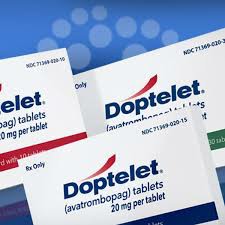
Avatrombopag (Avatrombopag, brand nameDoptelet) is an oral thrombopoietin receptor agonist (T PO-RA), is mainly used to treat chronic liver disease-related thrombocytopenia (CLD-ITP) and immune thrombocytopenia (ITP) under certain circumstances. It can stimulate bone marrow megakaryocytes to produce platelets, thereby effectively improving patients' platelet count and reducing the risk of bleeding. Although avatrombopag has significant efficacy, certain side effects may still occur during use. Therefore, understanding its common adverse reactions and countermeasures is crucial for patients' safe medication and therapeutic effect.
1. Common side effects and manifestations
1.Headache and fatigue
One of the most common adverse reactions of avatrombopag is headache, which may also be accompanied by mild fatigue in some patients. Symptoms are usually mild to moderate but may interfere with daily life. Headaches usually occur within a few days after taking the medicine and can last from days to weeks. Fatigue may be related to platelet recovery and the body's adaptation to the drug.
2.Gastrointestinal discomfort
Some patients may experience nausea, diarrhea, indigestion, or loss of appetite after taking avatrombopag. Most of them are mild and can be alleviated through dietary adjustments and taking medication in batches. Severe gastrointestinal symptoms require prompt medical treatment to rule out other complications.
3.High platelet count (Thrombocytosis)
Avatrombopag may cause platelet counts to rise too quickly or too high, increasing the risk of thrombosis. Some patients may experience symptoms such as numbness in their hands and feet, chest pain, or difficulty breathing, and require immediate medical attention.
4.Infection risk
Although less common, avatrombopag may increase the occurrence of minor infections, such as upper respiratory tract infections, urinary tract infections, etc. in immunocompromised patients.
2. Treatment methods after side effects occur
1.Coping with headaches and fatigue
Mild headaches or fatigue can be relieved by rest, adequate sleep and moderate exercise. If necessary, conventional analgesics (such as acetaminophen) can be used under the guidance of a doctor to relieve symptoms. If the headache continues to worsen or is accompanied by other neurological symptoms, you should seek medical attention promptly.
2.Management of gastrointestinal symptoms
Mild symptoms such as nausea and diarrhea can be improved by eating small amounts more frequently and avoiding greasy and irritating foods. Your doctor may adjust the medication time or dosage if necessary. Severe or persistent gastrointestinal symptoms require prompt medical treatment and, if necessary, drug intervention or drug withdrawal.
3.Response to high platelets
High platelet count is a side effect that needs to be monitored during treatment with avatrombopag. Patients should undergo routine blood tests regularly, especially during the initial period of medication and during dose adjustment. If the platelet count is too high, your doctor may adjust the dose, temporarily stop the drug, or administer antiplatelet therapy to prevent blood clots from forming.
4.Infection prevention and treatment
Although the risk of infection is low, patients should still pay attention to personal hygiene and avoid contact with sources of infection while taking the medication. Once symptoms such as fever, cough, and painful urination occur, you should seek medical treatment promptly and take anti-infective treatment according to the doctor's recommendations.
3. Daily medication management and preventive measures
1.Monitor platelets regularly
During treatment, patients need to regularly check their platelet count to detect abnormally high or insufficient platelets in a timely manner.
2.Reasonable dose adjustment
Your doctor may adjust the dose based on platelet levels and individual tolerance. Patients should strictly follow the doctor's instructions and not increase or decrease the dosage at will.
3.Pay attention to drug interactions
Avatrombopag may interact with other medications, such as certain anticoagulants or platelet inhibitors, and your doctor should be informed of all medications you are taking.
4.Healthy lifestyle
Maintaining a balanced diet, moderate exercise and adequate rest can improve the body's tolerance and reduce the impact of mild side effects.
Avatrombopag plays an important role in the treatment of chronic liver disease-related thrombocytopenia and immune thrombocytopenia, significantly reducing the risk of bleeding by promoting platelet production. However, patients may experience side effects such as headache, fatigue, gastrointestinal discomfort, elevated platelets, and infection during medication. Through scientific monitoring, reasonable dose adjustment and daily care, most side effects are controllable and patients can safely undergo long-term treatment. Patients should maintain close communication with their doctors and report abnormal symptoms in a timely manner so that effective intervention measures can be taken to ensure medication safety and maximum efficacy.
Reference materials:https://www.drugs.com/
[ 免责声明 ] 本页面内容来自公开渠道(如FDA官网、Drugs官网、原研药厂官网等),仅供持有医疗专业资质的人员用于医学药学研究参考,不构成任何治疗建议或药品推荐。所涉药品可能未在中国大陆获批上市,不适用于中国境内销售和使用。如需治疗,请咨询正规医疗机构。本站不提供药品销售或代购服务。


