
.jpeg)
Will the condition worsen after stopping imatinib (Gleevec) and risk analysis
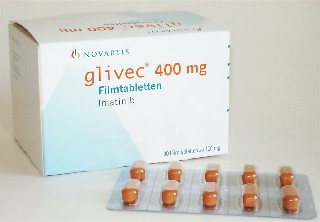
Imatinib (Imatinib) is a selective tyrosine kinase inhibitor widely used to treat chronic myeloid leukemia (CML), gastrointestinal stromal tumor (GIST) and other related diseases. Its main mechanism of action is to effectively control the disease by inhibiting the tyrosine kinase activity encoded by the BCR-ABL fusion gene and blocking the proliferation signals of leukemia cells. The emergence of imatinib has significantly improved the survival rate of patients with chronic myelogenous leukemia, allowing many patients to maintain long-term disease remission. However, issues regarding condition changes and potential risks after drug discontinuation have always been the focus of most clinical and patient concern.
Studies have shown that some patients may experience rebound or relapse after discontinuation of imatinib. This is mainly related to the sustained inhibitory effect of the drug: during long-term use, imatinib can maintain leukemia cells in the body in a low-activity state and inhibit their proliferation. Once the drug is discontinued, this inhibitory effect is released and remaining leukemia stem cells may become reactivated, leading to disease progression or molecular relapse. Clinical data shows that about half of patients with chronic phase CML experience molecular relapse within one year after stopping treatment, and some of them even show elevated white blood cell counts or abnormal hematological indicators within a few months after stopping treatment.
In order to reduce the risk of drug discontinuation, doctors usually strictly screen patients who are suitable for drug discontinuation. Patients are generally required to achieve deep molecular remission (DMR) for at least two years before discontinuing treatment, and undergo regular molecular biology testing to confirm that the disease is stable. In addition, patients need to conduct drug discontinuation management under the guidance of professional doctors, including hematological and molecular evaluation before drug discontinuation, close follow-up after drug discontinuation, and regular review of BCR-ABL gene levels. If molecular recurrence is found during drug withdrawal, imatinib treatment should be resumed promptly to prevent further aggravation of the disease.
The risks associated with drug discontinuation are not limited to disease recurrence but may also affect long-term prognosis. Some studies have noted that although the vast majority of patients regain remission after resuming medication, patients who relapse after discontinuation may experience short-term hematological instability and increased risk of bleeding or infection. Therefore, drug discontinuation decisions must comprehensively consider factors such as the patient's disease course, past efficacy, age, comorbidities, and quality of life, rather than simply being based on financial pressure or personal wishes. Patients should fully understand potential risks and develop detailed follow-up and emergency plans before discontinuing medication.
In summary, there is indeed a risk of disease exacerbation or recurrence after discontinuation of imatinib, especially for patients who have not achieved long-term deep molecular remission. Standardized drug withdrawal management, strict patient screening, regular molecular monitoring and timely medication adjustments are the keys to reducing risks and ensuring patient safety. Patients should fully communicate with their attending doctors when making drug discontinuation decisions, and scientifically assess their condition and risk of recurrence to ensure that while improving their quality of life, disease control and long-term survival will not be affected. With proper management, some patients can maintain long-term remission after stopping medication, but they still need to remain vigilant to prevent potential exacerbations.
Reference materials:https://www.drugs.com/
[ 免责声明 ] 本页面内容来自公开渠道(如FDA官网、Drugs官网、原研药厂官网等),仅供持有医疗专业资质的人员用于医学药学研究参考,不构成任何治疗建议或药品推荐。所涉药品可能未在中国大陆获批上市,不适用于中国境内销售和使用。如需治疗,请咨询正规医疗机构。本站不提供药品销售或代购服务。


