
.jpeg)
Effects of ruxolitinib cream (Opzelura) in treating vitiligo and suggestions for treatment course observation
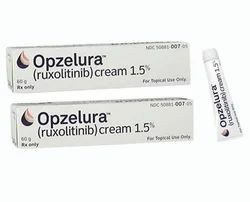
Ruxolitinib cream (Opzelura) is a topical JAK inhibitor whose main ingredient is ruxolitinib (Ruxolitinib). It was originally used to treat chronic immune diseases and specific skin diseases. In recent years, it has shown certain efficacy in the treatment of vitiligo. Vitiligo is an autoimmune disease characterized by skin depigmentation. Its pathogenesis is mainly related to autoimmune attack on melanocytes and abnormal inflammatory signaling pathways. The JAK-STAT pathway plays an important role in the pathogenesis of vitiligo. Ruxolitinib can inhibit this signaling pathway, reduce the local inflammatory response in the skin, protect melanocytes, and thereby promote pigment recovery.
Clinical studies have shown that the efficacy of ruxolitinib cream in the treatment of vitiligo is closely related to the type of lesions and individual patient differences. In the study, after patients applied the cream topically twice a day for 12 to 24 weeks, most patients with mild to moderate local vitiligo were able to observe partial recovery of pigment, especially vitiligo on the face and neck. The curative effect is mainly reflected in pigment regeneration and gradual improvement of edge pigment. Some patients' skin color uniformity improved significantly after treatment. However, for generalized or refractory vitiligo, ruxolitinib cream alone may have limited efficacy and needs to be combined with phototherapy or other systemic immunomodulatory treatments for better results.
In terms of treatment course observation, patients should maintain regularity and patience when using ruxolitinib cream. In the early stage, the efficacy is usually evaluated every 4 to 6 weeks, including skin pigment distribution, white spot area and edge pigment changes. For patients with significant curative effect, the medication can be continued until the ideal pigment recovery level is achieved; if the curative effect is poor or adverse reactions such as local irritation and erythema occur, the patient should communicate with the doctor in time to evaluate whether to adjust the dose or discontinue the drug. Long-term observation should also focus on the stability of repigmentation, because vitiligo may recur. Even if the pigment recovers in some patients, new white spots may appear or the original white spots may worsen again after stopping the drug.
In terms of safety, ruxolitinib cream is generally well tolerated. Common local adverse reactions include mild irritation, itching, erythema or dryness. Serious adverse reactions are rare, but it is still necessary to pay attention to the possible local skin barrier damage caused by long-term large-area use. Patients should avoid concurrent use of other irritating topical medications to reduce the risk of adverse reactions. In addition, patients who are pregnant, breastfeeding, or have serious infections need to be carefully evaluated before use.
Overall, ruxolitinib cream provides a new topical treatment option for vitiligo patients, especially for localized, mild to moderate vitiligo. Through standardized use, regular efficacy evaluation and reasonable treatment course adjustment, patients can minimize the risk of adverse reactions while improving pigment recovery. Combined with the doctor's individualized plan, including treatment length, dosage and necessary auxiliary treatments, it can provide patients with a more scientific and controllable vitiligo management strategy, thereby improving the quality of life and prolonging the maintenance time of the curative effect.
Reference materials:https://www.drugs.com/
[ 免责声明 ] 本页面内容来自公开渠道(如FDA官网、Drugs官网、原研药厂官网等),仅供持有医疗专业资质的人员用于医学药学研究参考,不构成任何治疗建议或药品推荐。所涉药品可能未在中国大陆获批上市,不适用于中国境内销售和使用。如需治疗,请咨询正规医疗机构。本站不提供药品销售或代购服务。


