
.jpeg)
Average survival time of patients taking axitinib (Inlida) and factors affecting prognosis
Axitinib (Axitinib) is an oral, selective VEGFR inhibitor, mainly used to treat patients with advanced renal cell carcinoma (RCC). Clinical studies have shown that axitinib can improve patient survival rates by inhibiting angiogenesis and delaying tumor growth and metastasis. Multiple clinical trial data show that for patients with advanced RCC who have received first-line treatment, the median overall survival (OS) of axitinib can reach 2020 About months, while progression-free survival (PFS) is usually between 6 and 8 months. The specific data varies depending on individual patient differences and the complexity of the disease.
There are many factors that affect the efficacy of axitinib and patient prognosis, the most critical of which are the patient's baseline renal function, tumor stage and previous treatment. Patients with good renal function and localized or controllable metastases generally experience longer survival with axitinib. In contrast, patients with extensive metastasis and severe liver or bone involvement may have limited efficacy and survival. In addition, patients who have received multiple lines of targeted therapy or immunotherapy may also have reduced sensitivity to axitinib, thus affecting the prognosis.
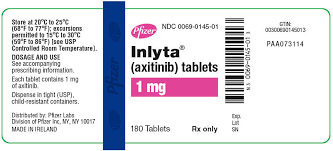
The patient's overall health status and concomitant diseases also have an important impact on prognosis. When patients with hypertension, diabetes or cardiovascular disease take axitinib for a long time, treatment continuity may be affected due to drug side effects or worsening of underlying diseases, thereby indirectly affecting survival. Therefore, during the medication process, doctors usually strictly monitor the patient's blood pressure, heart function, liver and kidney function, and timely adjust the dosage or take auxiliary treatment measures based on the monitoring results.
In addition, patient compliance and medication management will also directly affect efficacy and survival. Taking medications regularly, following up as directed by your doctor, and reporting adverse reactions in a timely manner are the keys to ensuring long-term efficacy. Clinical experience shows that patients who can strictly adhere to the medication plan and actively cooperate with follow-up and lifestyle management generally have better average survival and progression-free survival than patients with poor compliance. Overall, axitinib can significantly prolong survival in patients with advanced renal cell carcinoma, but the specific efficacy needs to be comprehensively evaluated based on individual illness, underlying health conditions, and standardized medication management.
Reference materials:https://www.drugs.com/
[ 免责声明 ] 本页面内容来自公开渠道(如FDA官网、Drugs官网、原研药厂官网等),仅供持有医疗专业资质的人员用于医学药学研究参考,不构成任何治疗建议或药品推荐。所涉药品可能未在中国大陆获批上市,不适用于中国境内销售和使用。如需治疗,请咨询正规医疗机构。本站不提供药品销售或代购服务。


