
.jpeg)
Differences and comparison of efficacy between avatrombopag (Sucoxin) and eltrombopag
Avatrombopag (Avatrombopag) and eltrombopag (Eltrombopag) are oral thrombopoietic drugs ( pan>TPO receptor agonist), mainly used to treat thrombocytopenia caused by various causes, such as thrombocytopenia related to chronic liver disease, idiopathic thrombocytopenic purpura (ITP), etc. Although the two drugs have similar drug mechanisms and both promote bone marrow hematopoiesis by activating thrombopoietin receptors, there are certain differences in pharmacokinetics, medication methods, food interactions, and clinical indications. These differences affect patient selection and efficacy.
First of all, from the perspective of pharmacokinetics and convenience of administration, avatrombopag has high bioavailability, rapid oral absorption, and there is no need to strictly avoid specific foods. Avatrombopag is usually taken once a day and has a rapid onset of effect. Generally, a significant increase in platelets can be observed within 5 to 10 days of taking the drug. It is suitable for patients who need to quickly increase platelets. In contrast, eltrombopag is sensitive to food and mineral intake, especially foods containing calcium, iron, magnesium or aluminum, which will affect its absorption. It needs to be taken on an empty stomach or more than 4 hours after a specific meal, which brings certain challenges to patient medication management. In addition, the daily dose of eltrombopag may need to be adjusted individually to avoid excessive platelet elevation or adverse drug reactions.
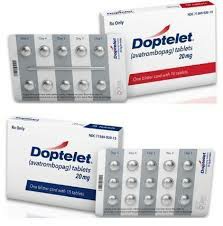
In terms of clinical efficacy, both can significantly increase platelet count and reduce the risk of bleeding. Avatrombopag has demonstrated rapid and sustained platelet-raising effects in liver disease-related thrombocytopenia, and is particularly useful in patients who require short-term platelet elevation before surgery or invasive procedures. Eltrombopag also shows good efficacy in the long-term maintenance treatment of ITP. However, due to its relatively slow onset of action and sensitivity to food, its ability to rapidly raise platelets in the short term is slightly inferior to that of avitrombopag. Multiple clinical studies have shown that under the same dose adjustment conditions, the final increase in platelet count between the two drugs is similar, but the success rate of avatrombopag in increasing platelets in the short term before operation is slightly higher.
In terms of safety, the adverse reactions of avatrombopag and eltrombopag are generally controllable, and common ones include headache, fatigue, gastrointestinal discomfort, and mild liver function abnormalities. It should be noted that long-term use of TPO receptor agonists may increase the risk of thrombosis, so patients need to regularly monitor platelet counts and thrombosis-related indicators during use. Because avatrombopag does not need to be taken on an empty stomach or to avoid mineral-containing foods, its compliance is usually high. However, eltrombopag has limited medication requirements, so some patients may have reduced medication compliance.
In summary, avatrombopag and eltrombopag are highly similar in mechanism of action and efficacy, but there are differences in pharmacokinetics, convenience of administration, onset of action and food interactions. Avatrombopag is more suitable for patients who need to rapidly increase platelets or have high medication compliance requirements, while eltrombopag is suitable for patients who require long-term maintenance of platelet levels. Clinical selection should be based on the patient's specific condition, platelet level, treatment goals and living habits, and the doctor will formulate an individualized medication plan to achieve optimal efficacy and safety management.
Reference materials:https://www.drugs.com/
[ 免责声明 ] 本页面内容来自公开渠道(如FDA官网、Drugs官网、原研药厂官网等),仅供持有医疗专业资质的人员用于医学药学研究参考,不构成任何治疗建议或药品推荐。所涉药品可能未在中国大陆获批上市,不适用于中国境内销售和使用。如需治疗,请咨询正规医疗机构。本站不提供药品销售或代购服务。


