
.jpeg)
Exploring survival differences with lenvatinib/lenvatinib in recent hepatocellular carcinoma (HCC) trial
The treatment landscape for hepatocellular carcinoma(HCC) has undergone significant changes in recent years, particularly with the combined use of targeted agents and immunotherapy. Studies in recent years have shown improved efficacy of lenvatinib/lenvatinib in patients with unresectable HCC, especially when compared with the previous phase 3 REFLECT trial (NCT01761266). The REFLECT trial is a key trial to evaluate the efficacy and safety of lenvatinib compared with sorafenib, and multiple recent clinical trials have shown more positive efficacy indicators.
In the recentCheckMate 9DW trial (NCT04039607), the combination of nivolumab and ipilimumab was studied, with most patients in the control group receiving lenvatinib. Results showed that patients in this study demonstrated longer median overall survival (OS), which was a significant increase of several months compared with what was expected in the REFLECT trial. In addition, a similar trend was observed in the LEAP-002 trial (NCT03713593), where single-agent lenvatinib was used as a control group and compared with the combination of lenvatinib and pembrolizumab.
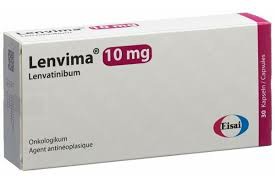
Although different trials cannot be directly compared side by side, these results clearly demonstrate the impact of specific drug use contexts on patient outcomes. The REFLECT trial was conducted in a context where lenvatinib and sorafenib were almost the only options, whereas the modern trial is conducted in a context where there are multiple other options in first- and second-line treatment. As new treatments continue to emerge, the benefits patients receive from these treatments are increasing significantly.
Specifically, in theCheckMate 9DW trial, the combination of nivolumab and ipilimumab showed encouraging results. In this trial, 85% of participants ultimately received lenvatinib. While this study primarily focused on the effects of combination immunotherapy, very positive OS data for lenvatinib was also observed. The median overall survival in the lenvatinib group was 20.6 months, while that in the nivolumab/ipilimumab group reached 23.7 months, showing a significant prolongation of survival.
This improvement in survival is very similar to what has been observed previously when lenvatinib was combined with other drugs, such as inSurvival rates observed in the LEAP-002 trial. This shows that the current clinical environment and treatment options have greatly improved, allowing patients to obtain more benefits from treatment. In the past few years, treatment strategies for HCC have shifted from single targeted therapy to diversified regimens combined with immunotherapy. The significance of this shift is that patients will not only benefit from monotherapy, but also use combination drugs to increase the effectiveness of treatment.
Overall, the treatment of hepatocellular carcinoma is continuing to evolve as new therapies become available and treatment options increase. As an effective targeted drug, the combination of lenvatinib and immune checkpoint inhibitors is bringing new treatment hope to patients with unresectable hepatocellular carcinoma. Research shows that patients may experience greater benefits in the current treatment environment than they did in 2017 or 2018. At that time, sorafenib and lenvatinib were almost the only two first-line treatment options, but now, with more options available, clinicians are able to tailor more effective treatments for patients, thereby improving patients' prognosis and quality of life.
References:https://www.targetedonc.com/view/exploring-differences-in-survival-with-lenvatinib-in-recent-hcc-trials
[ 免责声明 ] 本页面内容来自公开渠道(如FDA官网、Drugs官网、原研药厂官网等),仅供持有医疗专业资质的人员用于医学药学研究参考,不构成任何治疗建议或药品推荐。所涉药品可能未在中国大陆获批上市,不适用于中国境内销售和使用。如需治疗,请咨询正规医疗机构。本站不提供药品销售或代购服务。


