
.jpeg)
How many years should pirfenidone (Isri) be used to treat pulmonary fibrosis and its course of treatment should be evaluated
Pirfenidone (Pirfenidone) is an anti-fibrotic drug mainly used to treat idiopathic pulmonary fibrosis (IPF). As a chronic and progressive disease, IPF cannot be cured through short-term treatment, so pirfenidone is usually set as a long-term medication in clinical practice. Most guidelines recommend that patients start treatment as soon as possible after diagnosis and continue to take it to delay disease progression and improve lung function and quality of life.
As for how many years it needs to be taken, there is currently no unified "fixed course of treatment"Pirfenidone usually needs to be taken for a long time or even lifelong. The specific duration of medication depends on the patient's condition stability, changes in lung function, imaging evaluation results, and whether the patient can tolerate the side effects of the medication. If the patient's lung function remains relatively stable during treatment and there are no serious side effects, doctors generally recommend continued medication to avoid rapid deterioration of the condition caused by arbitrary discontinuation of medication.
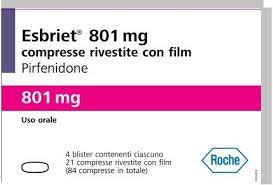
In actual treatment, patients usually need to undergo efficacy evaluation every 3 to 6 months, including pulmonary function tests, chest CT, blood oxygen saturation monitoring, etc. If the evaluation results show that the disease progresses slowly and the drug is well tolerated, the original course of treatment will be continued; if the patient experiences obvious side effects or the disease still progresses rapidly, the doctor may adjust the dose or even consider changing the treatment plan. The length of treatment is therefore individualized and there is no “one size fits all”.
In general, pirfenidone treatment for pulmonary fibrosis is mostly a long-term or several-year course of treatment. Patients need to be mentally prepared for long-term medication and undergo regular review to ensure both efficacy and safety. Compared with no treatment, long-term regular use of pirfenidone can significantly reduce the rate of lung function decline, delay disease progression, and may improve survival rates. Therefore, adhering to a reasonable course of treatment and standardizing the management of side effects are crucial to prolonging patients' lifespan and maintaining their quality of life.
Reference materials:https://www.drugs.com/
[ 免责声明 ] 本页面内容来自公开渠道(如FDA官网、Drugs官网、原研药厂官网等),仅供持有医疗专业资质的人员用于医学药学研究参考,不构成任何治疗建议或药品推荐。所涉药品可能未在中国大陆获批上市,不适用于中国境内销售和使用。如需治疗,请咨询正规医疗机构。本站不提供药品销售或代购服务。


