
.jpeg)
Differences and medication options between canafenib/encofenib (bitavir) and vemurafenib
1. Drug Overview and Mechanism of Action
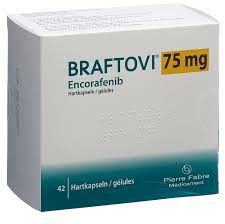
Canafenib (Encorafenib) and vemurafenib (Vemurafenib) are oral BRAF inhibitors, mainly used to treat BRAF V600Mutation-positive melanoma and other tumor types. BRAFgene mutations activate the MAPK signaling pathway, thereby promoting tumor cell proliferation and growth. Both of them inhibit the growth and shrinkage of tumors by selectively inhibiting the BRAF V600 mutated protein and blocking the signaling pathway. Despite similar mechanisms of action, significant differences exist in pharmacokinetics, drug resistance, and combination treatment strategies.
2. Differences in clinical indications and efficacy
Vemurafenib was first approved for BRAF V600E mutation-positive unresectable or metastatic melanoma. The clinical efficacy is clear. However, drug resistance and side effects often occur when used as a single drug, such as rash, joint pain, photosensitivity reaction, etc. Canafenib is a second-generation BRAF inhibitor that has higher target selectivity and longer half-life than vemurafenib, and can delay the occurrence of drug resistance to a certain extent. In addition, when combined with the MEK inhibitor trametinib (Trametinib), canafenib has better efficacy and tolerability than vemurafenib combination therapy, making it an important choice for current clinical first-line combination therapy.
3. Medication regimen and dosage characteristics
The usual dose of vemurafenib is 960mg twice a day, administered orally, and attention should be paid to diet and drug interactions. The recommended dose of canafenib is 450 mg once daily (single drug) or the dose should be adjusted according to the combination regimen when used in combination with trametinib. Canafenib is more stable in maintaining blood drug concentration and has less drug fluctuation, thereby reducing the risk of reduced efficacy caused by sudden drops in blood drug concentration. In addition, the half-life of canafenib is long, so patients will have less impact on the efficacy if they miss a dose, but they still need to take it on time as directed by their doctor.
4. Comparison of side effects and tolerance
Common adverse reactions of vemurafenib include rash, joint pain, fever and photosensitivity reactions, while the adverse reactions of canafenib are mostly fatigue, nausea, diarrhea and skin toxicity. Overall, canafenib is effective in combination with MEKWhen inhibitors are used, adverse reactions are more controllable, and the incidence of serious toxic events is lower than that of vemurafenib combination therapy. At the same time, resistance to canafenib occurs more slowly, helping to prolong disease control time.
5. Suggestions on clinical medication selection
When choosing between canafenib and vemurafenib, a comprehensive judgment should be made based on the patient's specific condition, previous treatment history, tolerance and economic status. If patients plan to undergo combined treatment with MEK inhibitors or hope to obtain a longer disease control period, canafenib combined with trametinib is the preferred option. For monotherapy or price-sensitive patients, vemurafenib can still be a feasible option, but drug resistance and side effects need to be closely monitored. Individualized assessment, genetic testing to confirm BRAF V600 mutation type, and drug tolerance monitoring are the keys to ensuring efficacy and safety.
6. Future development trends
With the deepening of targeted therapy research, the combined and sequential treatment models of canafenib and vemurafenib are continuously optimized. In the future, more precise treatment options for BRAF mutated tumors may further improve patient survival rates while reducing the incidence of side effects. In addition, research on new BRAF inhibitors and dual-targeting strategies will provide more options for patients with advanced melanoma and related tumors, making personalized treatment possible.
Reference materials:https://www.drugs.com/
[ 免责声明 ] 本页面内容来自公开渠道(如FDA官网、Drugs官网、原研药厂官网等),仅供持有医疗专业资质的人员用于医学药学研究参考,不构成任何治疗建议或药品推荐。所涉药品可能未在中国大陆获批上市,不适用于中国境内销售和使用。如需治疗,请咨询正规医疗机构。本站不提供药品销售或代购服务。


