
.jpeg)
Whether dabrafenib (Tefila) needs to be taken for life and suggestions on treatment course adjustment
Dabrafenib (Dabrafenib) is an oral BRAF inhibitor, mainly used to treat BRAF V600E or V600K mutation-positive advanced melanoma and certain non-small cell lung cancer patients. Unlike traditional chemotherapy, dabrafenib is a targeted therapy drug that delays disease progression by directly inhibiting abnormal signaling pathways in tumor cells. Clinically, dabrafenib usually needs to be taken continuously to maintain the therapeutic effect, but whether it needs to be taken for life depends on the patient's disease control and tolerance.
During the patient's use of dabrafenib, doctors will adjust the course of treatment based on tumor response, imaging results, and adverse reactions. For patients whose condition is stable or who have achieved significant remission, doctors may maintain the standard dose and continue taking the medication; if serious side effects occur, they may reduce the dose, use the medication intermittently, or temporarily discontinue the medication to balance efficacy and safety. Treatment course adjustment requires individualized evaluation to avoid changing the dose or stopping the medication early.
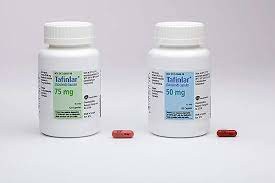
Although some patients wish to discontinue medication during long-term treatment, sudden discontinuation may lead to rapid tumor progression or recurrence. Therefore, stopping the drug usually needs to be done gradually and under the guidance of a doctor. For example, the dosage can be reduced or the medication interval can be extended first, while changes in tumor indicators and symptoms can be closely monitored. If the condition becomes unstable, the original dose must be restored or the protocol readjusted in a timely manner to ensure treatment continuity and efficacy.
In general, whether dabrafenib should be taken for life depends on the patient's condition, maintenance of efficacy, and tolerance. Safe and standardized long-term management includes taking medications regularly, regularly reviewing imaging and blood indicators, handling side effects in a timely manner, and maintaining close communication with doctors. Through scientific treatment course adjustment and individualized management, patients can obtain curative effects to the greatest extent while reducing long-term medication risks and achieving a balance between treatment effects and quality of life.
Reference materials:https://www.drugs.com/
[ 免责声明 ] 本页面内容来自公开渠道(如FDA官网、Drugs官网、原研药厂官网等),仅供持有医疗专业资质的人员用于医学药学研究参考,不构成任何治疗建议或药品推荐。所涉药品可能未在中国大陆获批上市,不适用于中国境内销售和使用。如需治疗,请咨询正规医疗机构。本站不提供药品销售或代购服务。


