
.jpeg)
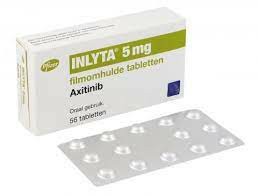
Axitinib (Inlida) official detailed instructions and full analysis of precautions for use
1. Drug overview and indications
Axitinib (Axitinib) is an oral small molecule tyrosine kinase inhibitor that mainly acts on vascular endothelial growth factor receptor (VEGFR
2. Usage, dosage and dosage adjustment
The standard recommended adult dose of axitinib is 5 mg twice a day, taken orally, before or after meals, but it is recommended to maintain a fixed time to maintain stable blood concentration. For patients with drug tolerance problems, the dose can be adjusted according to the guidance of a doctor: if the blood pressure is well controlled and the side effects are mild, the dose can be increased to 7 mg or 10 mg per time; if serious adverse reactions or poor tolerance occur, the dose can be reduced to 3 mg per time or the medication can be suspended. Patients should avoid adjusting the dosage on their own to avoid compromising efficacy or increasing the risk of side effects.
3. Common side effects and countermeasures
Common adverse reactions of axitinib mainly include hypertension, fatigue, hand-foot syndrome, diarrhea, nausea, decreased appetite and thyroid dysfunction. High blood pressure is the most concerning side effect. It is recommended that patients measure their blood pressure regularly before and during treatment, and use antihypertensive drugs under the guidance of a doctor. Hand-foot syndrome can be relieved through topical care, moisturizing, and avoiding high temperature friction. For gastrointestinal reactions such as diarrhea and nausea, you should pay attention to a light diet, small meals with frequent meals, and use anti-diarrheal drugs or anti-emetic drugs under the guidance of a doctor. Some patients may develop abnormal liver function, proteinuria or risk of thrombosis, and require regular monitoring of blood, liver and kidney function.
4. Contraindications and people who should use it with caution
Axitinib is contraindicated in patients allergic to its components, as well as pregnant and lactating women. Patients with poorly controlled hypertension, recent cardiovascular events (such as myocardial infarction, stroke), active bleeding or thrombosis should use with caution. People with severe liver and kidney function impairment should also use it with caution after a doctor's evaluation. Elderly patients and patients with multiple chronic diseases require individualized dose adjustment and enhanced follow-up monitoring.
5. Interactions with other drugs
Axitinib is mainly metabolized by the liverCYP3A4. During use, you should avoid taking strong CYP3A4 inhibitors or inducers at the same time to prevent abnormal blood concentration. When used in combination with anticoagulants, antihypertensive drugs and some heart drugs, you also need to pay attention to potential interactions and adjust the dose or monitor blood drug levels if necessary. In addition, patients should inform their doctors of all prescription drugs, over-the-counter drugs, and Chinese herbal medicines they are using to ensure their safety.
6. Medication precautions and life management
While taking axitinib, patients should strictly follow the doctor's prescription and take the medicine regularly, and should not skip doses or increase the dosage at will. The medicine should be taken orally whole and should not be broken or chewed. During treatment, blood pressure, blood routine, liver and kidney function, and imaging indicators should be reviewed regularly to detect abnormalities in a timely manner and adjust the treatment plan. In life, you need to maintain a balanced diet, exercise moderately, quit smoking and limit alcohol, strengthen your physical fitness, and avoid trauma or bleeding caused by strenuous activities.
7. Medication discontinuation and treatment course management
In the event of severe side effects or changes in your condition, your doctor may recommend temporarily stopping the medication or adjusting the dose. You should follow the doctor's guidance when stopping the medication. It is not recommended to stop on your own to prevent rapid progression of the disease. The length of treatment is usually individualized based on the patient's condition, tolerance, and response to treatment. Some patients can extend the interval or adjust the dose after their disease stabilizes, but continued follow-up is still required.
8. Summary and clinical suggestions
Axitinib is an important targeted drug for the second-line and late-stage treatment of renal cancer. It has significant efficacy, but its side effects are diverse and may be serious. By strictly adhering to official instructions, individualized dose adjustment, regular monitoring and life management, patients can maximize treatment effects while ensuring safety. Doctors and patients should maintain close communication and flexibly adjust treatment plans based on efficacy and tolerability to ensure that axitinib exerts its best efficacy in clinical application while reducing risks.
Reference materials:https://www.drugs.com/
[ 免责声明 ] 本页面内容来自公开渠道(如FDA官网、Drugs官网、原研药厂官网等),仅供持有医疗专业资质的人员用于医学药学研究参考,不构成任何治疗建议或药品推荐。所涉药品可能未在中国大陆获批上市,不适用于中国境内销售和使用。如需治疗,请咨询正规医疗机构。本站不提供药品销售或代购服务。


