
.jpeg)
Analysis of whether giritinib (segatan) can cure acute myeloid leukemia
Gilteritinib (Gilteritinib) is an oral FLT3 tyrosine kinase inhibitor, mainly used to treat patients with relapsed or refractory acute myeloid leukemia (AML) carrying FLT3 mutations. It blocks the proliferation and survival signals of leukemia cells by selectively inhibiting the FLT3 signaling pathway, thereby inhibiting the growth of leukemia cells. Although giritinib has shown a significant response rate in clinical trials, strictly speaking, it cannot be called a radical drug for AML, but is an important drug used as a targeted therapy to improve patient response rates and prolong survival.
In clinical studies, giritinib has shown good efficacy in patients with relapsed or refractory AML. For example, according to the ADMIRAL study data, the overall response rate (CR+CRi) of patients receiving giritinib monotherapy can reach around 30%-35%, and the median progression-free survival is significantly better than that of the traditional chemotherapy group. However, due to the high heterogeneity of AML itself, even if complete remission is achieved with giritinib, bone marrow transplantation or other adjuvant treatments are needed to consolidate the efficacy and reduce the risk of relapse.
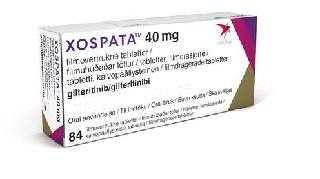
The therapeutic effect of giritinib is closely related to the patient's specific mutation type and disease status. FLT3-ITDPatients with a high burden of mutations or with combined mutations such as NPM1 may respond more significantly to giritinib, while its efficacy is limited in AML patients without FLT3 mutations. Therefore, genetic testing is required before use to determine whether it is suitable for giritinib treatment, so as to achieve individualized medication and improve efficacy and safety.
In general, giritinib mainly plays a role in controlling the disease, prolonging survival and improving the remission rate in the treatment of AML, but cannot alone cure AML. When using giritinib, patients should strictly follow the doctor's plan, regularly review blood and bone marrow conditions, and conduct comprehensive treatment in combination with hematopoietic stem cell transplantation or other therapies in order to achieve long-term remission and better quality of life.
Reference materials:https://www.drugs.com/
[ 免责声明 ] 本页面内容来自公开渠道(如FDA官网、Drugs官网、原研药厂官网等),仅供持有医疗专业资质的人员用于医学药学研究参考,不构成任何治疗建议或药品推荐。所涉药品可能未在中国大陆获批上市,不适用于中国境内销售和使用。如需治疗,请咨询正规医疗机构。本站不提供药品销售或代购服务。


