
.jpeg)
Detailed explanation of whether the side effects of pirfenidone (Asri) are serious and how to deal with them
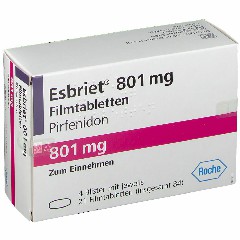
Pirfenidone (Pirfenidone) is an oral anti-fibrotic drug mainly used to treat idiopathic pulmonary fibrosis (IPF). It delays the decline of lung function by inhibiting fibroblast proliferation, collagen deposition and inflammatory response. Although pirfenidone has shown certain clinical efficacy, a variety of side effects may still occur during use. Understanding these side effects and how to deal with them is of great significance for patients to use medications safely and improve treatment compliance.
First, common side effects include digestive system reactions, skin reactions, and liver function abnormalities. Regarding the digestive system, patients may experience symptoms such as nausea, vomiting, diarrhea, indigestion, or loss of appetite. When these symptoms occur, they can be relieved by taking the medicine with food, taking it in divided doses, or reducing the dose. For example, dividing the total daily dose into three times with meals can help reduce gastrointestinal irritation; if the symptoms are still obvious, the dose can be adjusted appropriately under the guidance of a doctor, and the original dose can be gradually restored after the symptoms are relieved.
Secondly, skin-related side effects are also more common, mainly manifesting as photosensitivity reactions, rashes or skin itching. This is related to the photosensitizing effect of pirfenidone in the body, and long-term exposure to sunlight may aggravate symptoms. Patients should avoid strong sunlight exposure, apply sunscreen, wear protective clothing or a hat when going out. At the same time, once severe rash or allergic reaction occurs, you should stop taking the drug immediately and seek medical advice. Select anti-allergic drugs or adjust the dosage according to the doctor's guidance.
In addition, pirfenidone may cause liver function abnormalities, including elevated transaminases. Clinically, it is recommended to conduct a baseline liver function test before taking the drug and review it regularly during treatment. If ALT or AST is found to be elevated more than 3 times the upper limit of normal, treatment should be suspended or reduced, and liver function should be dynamically monitored. When restoring the dose under the guidance of a doctor, it is necessary to closely observe changes in liver function indicators to avoid aggravation of liver damage.
A small number of patients may experience cardiovascular or respiratory system discomfort, such as headache, dizziness, fatigue or difficulty breathing. When these symptoms occur, the patient should communicate with the doctor in a timely manner based on the patient's past medical history and medication dosage, and adjust the medication regimen or provide auxiliary treatment if necessary. In addition, patients should maintain healthy living habits in daily life and avoid alcohol and other drugs that may damage the liver to reduce the risk of side effects.
In general, although the side effects of pirfenidone exist, most of them can be effectively controlled through dosage adjustment, taking with meals, light protection, and regular monitoring of liver function. Patients should maintain close communication with their doctors during the medication period and report discomfort symptoms in a timely manner so that appropriate treatment measures can be taken to maximize the safety and efficacy of the treatment.
Reference materials:https://www.drugs.com/
[ 免责声明 ] 本页面内容来自公开渠道(如FDA官网、Drugs官网、原研药厂官网等),仅供持有医疗专业资质的人员用于医学药学研究参考,不构成任何治疗建议或药品推荐。所涉药品可能未在中国大陆获批上市,不适用于中国境内销售和使用。如需治疗,请咨询正规医疗机构。本站不提供药品销售或代购服务。


