
.jpeg)
Detailed instructions for fostatinib/fotantinib
Fostamatinib, trade name Tavalisse or Tavlesse, is an innovative oral tyrosine kinase inhibitor that is a small molecule targeted drug. The drug was first developed by Rigel Pharmaceuticals and was approved by the US FDA in 2018 for the treatment of chronic immune thrombocytopenia (ITP) in adults who have not responded well to other therapies. In this type of patients, traditional treatments such as glucocorticoids, immune globulin or splenectomy often have limited effect, and the emergence of fotantinib provides a new treatment idea for these patients.
From a pharmacological perspective, fotantinib is aSYK inhibitor (spleen tyrosine kinase inhibitor), which reduces the destruction of platelets by autoantibodies by blocking over-activated signaling pathways in the immune system. Its active metabolite R406 can inhibit signal transduction mediated by Fc receptors and B cell receptors, reducing the immune system's recognition and phagocytosis of platelets. This mechanism of action is different from traditional immunosuppressants or thrombopoiesis-promoting drugs, and therefore shows unique therapeutic advantages in refractory ITP. Studies have found that after taking fotantinib, some patients can see a significant increase in platelet counts within a few weeks, thereby significantly reducing the risk of bleeding.
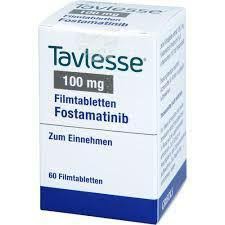
In terms of treatment regimen, the recommended starting dose is100 mg taken orally twice daily. If the platelet count has not reached 50×10⁹/L after taking the medicine for one month, the dose can be increased to 150 mg twice a day. The medication can be taken with or without food. Doctors usually recommend that patients regularly monitor complete blood counts (CBC) and liver function indicators while taking the drug, and keep blood pressure stable. Especially in the early stages of treatment, testing platelet and liver function once a month can help detect potential adverse reactions early. If drug-related hypertension, elevated liver enzymes, or neutropenia occur, the doctor will adjust the dose or temporarily discontinue the drug based on tolerance.
Dose adjustment is particularly important in fotantinib treatment. If the patient is at the maximum dose (300mg/day) and experiences side effects, it can be gradually reduced to 200mg/day or 150mg/day. If further reduction is required to less than 100 mg/day, it is usually recommended to discontinue the drug. Clinical experience shows that some patients can maintain ideal platelet levels at low to medium doses, so individualized adjustment is the key to ensuring efficacy and safety. If no obvious response is seen after 12 weeks of treatment, treatment should be considered to terminate to avoid increasing drug burden.
Drug-drug interactions are also a concern in clinical medication. Fotantinib is mainly administered by:Metabolized by the CYP3A4 pathway, combined use with strong CYP3A4 inhibitors (such as ketoconazole, clarithromycin) will increase the plasma concentration of R406, which may lead to an increased risk of adverse reactions. Therefore, it is necessary to monitor platelet and liver function indicators during combined use, and consider appropriately adjusting the dosage.
From a safety perspective, the adverse reactions of fotantinib are generally controllable, with the most common ones including diarrhea, hypertension, nausea, fatigue, elevated liver enzymes and mild infection. Most of these reactions are mild to moderate and can be relieved by symptomatic treatment. More serious adverse events such as dyspnea or persistent hypertension require prompt intervention. Because the drug can cause an increase in blood pressure, it is recommended to monitor blood pressure every two weeks during the initial period of treatment and then monthly once the dose has stabilized. In patients with abnormal liver function, long-term use should be avoided or lower doses should be taken.
In terms of storage and supply, fotantinib is available in 100 mg and 150 mg tablets and should be stored between 20°C and 25°C, away from moisture and high temperatures. In the event of overdose, there is currently no specific antidote and R406 cannot be effectively removed by dialysis. Therefore, the treatment principle is close monitoring and supportive treatment.
From a mechanism of action point of view, fotantinib represents a shift in the field of ITP treatment from traditional immunosuppression to precise targeted regulation. It does not directly promote platelet production, but maintains a stable level of platelets by "mitigating destruction", which allows it to show long-lasting efficacy in patients who have failed previous treatments. Unlike relying on hormone therapy, fotantinib can reduce the rate of platelet destruction without significantly suppressing overall immune function, thereby reducing the occurrence of bleeding events.
In summary, fostamatinib (Fostamatinib) is an oral targeted drug with clinical innovative significance, providing new treatment hope for patients with chronic immune thrombocytopenia. Its unique SYK inhibition mechanism, safe and controllable dosage strategy, and gradually effective clinical performance have gradually gained a place in international guidelines.
Reference materials:https://go.drugbank.com/drugs/DB12010
[ 免责声明 ] 本页面内容来自公开渠道(如FDA官网、Drugs官网、原研药厂官网等),仅供持有医疗专业资质的人员用于医学药学研究参考,不构成任何治疗建议或药品推荐。所涉药品可能未在中国大陆获批上市,不适用于中国境内销售和使用。如需治疗,请咨询正规医疗机构。本站不提供药品销售或代购服务。


