
.jpeg)
Analysis of efficacy and clinical trial data of sunitinib (Sutent) in the treatment of lung cancer
1. Drug Overview and Mechanism of Action
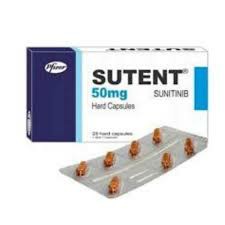
Sunitinib (Sunitinib) is an oral small molecule multi-target tyrosine kinase inhibitor (TKI) that mainly targets vascular endothelial growth factor receptor (VEG FR), platelet-derived growth factor receptor (PDGFR), c-KIT and FLT3 and other receptors. By inhibiting these signaling pathways, sunitinib can block tumor angiogenesis and tumor cell proliferation, thereby achieving anti-tumor effects. In the treatment of lung cancer, sunitinib is mainly used in some specific patient groups of non-small cell lung cancer (NSCLC) and small cell lung cancer (SCLC), especially those who are intolerant or relapsed to previous chemotherapy or targeted therapy.
2. Overview of clinical trial data
A number of clinical studies have shown that sunitinib has certain efficacy in patients with lung cancer. In the second-line treatment of non-small cell lung cancer, the overall response rate (ORR) of single agent sunitinib is about 8%-15%, and the disease control rate ( pan>DCR) can reach about 50%, and some patients can maintain a longer progression-free survival (PFS). For patients receiving first-line or combination therapy, sunitinib can be used in combination with chemotherapy drugs (such as cisplatin, carboplatin, pemetrexed) to improve the response rate and survival benefit of some patients.
3. Efficacy analysis and indication groups
The efficacy of sunitinib in the treatment of lung cancer is closely related to the patient's genetic background, tumor type and previous treatment history. Research shows that NSCLC is associated with the VEGFR or PDGFR signaling pathway Patients with abnormal expression respond better to sunitinib; patients who have previously failed EGFR or ALK targeted therapy can also be used as second-line or third-line treatment options. In addition, for patients with advanced or metastatic lung cancer, sunitinib can delay disease progression, improve quality of life, and prolong overall survival to a certain extent (OS).
4. Safety and Adverse Reaction Management
In the treatment of lung cancer, common adverse reactions of sunitinib include hypertension, fatigue, decreased appetite, hand-foot syndrome, rash, stomatitis, and hematological abnormalities (such as thrombocytopenia and neutropenia). Some patients may have abnormal liver function or effects on cardiac function, so blood pressure, liver and kidney function, electrocardiogram and blood picture need to be monitored regularly during treatment. For the management of side effects, dosage adjustment, intermittent medication, and symptomatic supportive treatment can be adopted to ensure a balance between patient safety and efficacy.
5. Combined treatment and optimization of efficacy
Clinically, sunitinib can be used in combination with immune checkpoint inhibitors (such asPD-1/PD-L1antibodies) to enhance anti-tumor immune responses, improve response rates and extend progression-free survival. Some studies have shown that combination regimens can improve ORR to 20%-30% in some patients with NSCLC, and the safety is controllable, but immune-related adverse events (irAEs) still need to be closely monitored. In the future, combined therapy guided by individualized medication and biomarkers will become an important direction to improve the clinical efficacy of sunitinib.
6. Summary and clinical suggestions
In general, sunitinib has certain efficacy in the treatment of lung cancer, especially for patients with active VEGFR/PDGFR pathway and failure of chemotherapy or other targeted therapies. Its main advantages are multi-target effects and convenience of oral administration, but attention must be paid to side effect management and treatment course monitoring. In clinical application, individualized medication plans should be formulated based on genetic testing, patient physique, and previous treatment history. Through scientific monitoring and reasonable dose adjustment, sunitinib can achieve the treatment goals of delaying disease progression, improving quality of life and prolonging survival while ensuring safety.
Reference materials:https://www.drugs.com/
[ 免责声明 ] 本页面内容来自公开渠道(如FDA官网、Drugs官网、原研药厂官网等),仅供持有医疗专业资质的人员用于医学药学研究参考,不构成任何治疗建议或药品推荐。所涉药品可能未在中国大陆获批上市,不适用于中国境内销售和使用。如需治疗,请咨询正规医疗机构。本站不提供药品销售或代购服务。


