
.jpeg)
What are the adverse reactions of Tazetostat (Davico) and analysis of treatment methods
1. Overview of Drugs
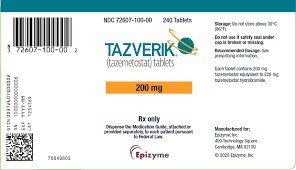
Tazemetostat (Tazemetostat) is a selective small molecule EZH2 inhibitor used to treat patients with
2. Common adverse reactions and occurrence characteristics
According to clinical trial data, common adverse reactions of tazerestat include fatigue, nausea, decreased appetite, constipation, diarrhea, vomiting, joint pain, muscle pain, and upper respiratory tract infection. Most adverse reactions are mild to moderate (Grade 1~2), which mostly appear in the early stages of medication, and may resolve spontaneously as treatment continues or improve through symptomatic treatment. Fatigue is one of the most common adverse reactions, which can affect patients' daily life and treatment compliance and requires joint management by patients and medical staff.
3. Adverse reactions related to hematology and liver function
Tazerestat may cause hematological abnormalities in some patients, including thrombocytopenia, leukopenia, and anemia. Low platelets may increase the risk of bleeding, and low white blood cells may increase the risk of infection. Therefore, blood routine should be monitored regularly during the medication period, and the dose should be adjusted or the medication should be temporarily discontinued according to changes in blood images. At the same time, some patients may experience elevated liver function indicators (such as ALT, AST), indicating liver damage. When abnormal liver function is encountered, it should be evaluated whether mild to moderate elevation can continue to be observed. In severe cases, medication should be suspended or reduced, and liver protection treatment should be given.
4. Other rare adverse reactions that require attention
In a small number of patients, tazerestat may cause pneumonia, cardiac dysfunction, rash, fever, or an increased risk of secondary malignancies. Pneumonia or respiratory symptoms require timely imaging examination and respiratory support; rash can be relieved by antihistamines or local care; although the risk of secondary malignancy is low, long-term follow-up monitoring is very important. Medical staff should guide patients to pay attention to changes in their symptoms and seek medical treatment promptly to avoid delays in treatment.
5. Adverse reaction treatment and dose adjustment
For mild to moderate adverse reactions (1~2 grade), generally can be controlled through symptomatic treatment, such as rehydration, antiemetics, anti-fatigue measures, etc. If serious adverse reactions of grade 3 or above occur, it is recommended to suspend the medication and consider reducing the dosage and restarting the drug after the symptoms improve to a tolerable level. The principle of dose adjustment is usually to reduce 25%~50% each time, and should be carried out under the guidance of a doctor. When hematological abnormalities or liver function abnormalities are severe, drug discontinuation, dose reduction or dosing interval should be strictly followed in accordance with the instructions and clinical experience to ensure safety.
6. Patient medication management and daily precautions
Patients should maintain regular review while taking tazerestat, including blood routine, liver function and necessary imaging evaluation; pay attention to rest and a reasonable diet to avoid the risk of infection and bleeding; record and report discomfort symptoms in a timely manner so that doctors can adjust the medication plan in a timely manner. For patients undergoing long-term treatment, it is crucial to establish an individualized management plan, which can effectively reduce the impact of adverse reactions on quality of life and efficacy.
7. Summary
Overall, tazerestat has significant efficacy in clinical application, but it may still cause adverse reactions including fatigue, nausea, hematological and liver function abnormalities. Through early monitoring, symptomatic treatment and reasonable dose adjustment, patients can minimize the risk of adverse drug reactions while ensuring the efficacy. Doctors and patients should work closely together to establish a complete follow-up management system to optimize treatment effects and medication safety.
Reference materials:https://www.drugs.com/
[ 免责声明 ] 本页面内容来自公开渠道(如FDA官网、Drugs官网、原研药厂官网等),仅供持有医疗专业资质的人员用于医学药学研究参考,不构成任何治疗建议或药品推荐。所涉药品可能未在中国大陆获批上市,不适用于中国境内销售和使用。如需治疗,请咨询正规医疗机构。本站不提供药品销售或代购服务。


