
.jpeg)
Dabrafenib (Tefila) monotherapy efficacy and clinical case analysis
Dabrafenib (Dabrafenib) is an oral small molecule BRAF inhibitor, mainly targeting patients with BRAF Patients with tumors with V600E or V600K mutations have shown significant efficacy, especially in melanoma, non-small cell lung cancer (NSCLC) and a few other BRAF mutated tumors. BRAFgene mutations can lead to abnormal activation of the MAPK signaling pathway, thereby promoting the proliferation and survival of tumor cells. Dabrafenib inhibits the mutant BRAF kinase and blocks the continued activation of the MAPK signaling pathway, thereby inhibiting tumor growth and inducing tumor cell apoptosis.
1. Analysis of single drug efficacy
In clinical trials of melanoma, dabrafenib monotherapy achieved an objective response rate (ORR) of approximately 50% and a median progression-free survival (PFS) is about 6 to 7 months, and the median overall survival (OS) can exceed 20 months. These data show that dabrafenib alone has significant efficacy, especially in patients with BRAF V600E mutation-positive patients. For patients with non-small cell lung cancer, those carrying the BRAF V600E mutation are treated with dabrafenib monotherapy, which also shows a response rate of about 30%-35% and prolongs progression-free survival time, making it a clinically important targeted therapy option.
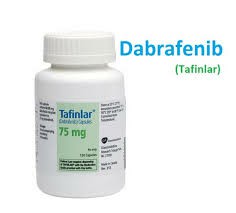
2. Analysis of clinical cases
Case 1, a 50 melanoma patient was found to have a BRAF V600E mutation through genetic testing. After previous surgery and chemotherapy failed, he started taking dabrafenib 75mg, twice daily treatment. After three months of continuous medication, imaging examinations showed that the tumor shrank significantly, the patient's skin melanin deposition improved significantly, and side effects were controllable, including mild fever and rash. After six months of medication and continued maintenance treatment, the lesions were further reduced and the quality of life was significantly improved.
Case 2, a 65 year oldNSCLC patient was found to have BRAF V600E mutation was accompanied by lung metastasis. After two months of single-agent dabrafenib treatment, chest CT showed that the tumor volume was reduced by about 40% and the symptoms were significantly relieved. The patient developed mild fatigue and joint pain during the treatment. After symptomatic treatment, he continued to take the medication, and the curative effect was maintained stably for six months. This case shows that even in lung cancer, dabrafenib alone can achieve a certain efficacy, especially in patients with clear BRAF mutations.
3. Factors affecting efficacy
The efficacy of dabrafenib as a single agent is affected by many factors, includingBRAF mutation type, tumor burden, previous treatment history, and the patient's physical condition. V600E mutation patients generally have better efficacy than those with V600K mutation. Patients with lower tumor burden and who have not received multiple lines of chemotherapy have better outcomes. In addition, timely monitoring of side effects and reasonable adjustment of dosage can also extend the duration of efficacy. Some patients may still develop drug resistance or tumor progression after monotherapy. In this case, combination with a MEK inhibitor may be considered to improve efficacy.
4. Side effects and management
Common side effects of dabrafenib include rash, fever, joint pain, fatigue, and abnormal liver function. Clinically, side effects can be controlled through symptomatic treatment or temporary discontinuation of medication. For example, acetaminophen can be used for mild fever, topical hormones or antihistamines can be used for rash, and liver enzymes should be monitored for abnormal liver function and the dosage should be adjusted appropriately. Proper management of side effects not only ensures patient safety but also contributes to sustained efficacy.
In general, dabrafenib alone shows reliable efficacy in patients with tumors with BRAF V600E or V600K mutations, especially in melanoma. Clinical cases show that patients can achieve significant tumor shrinkage and symptom improvement, while side effects are controllable. Monotherapy is suitable for patients with clear genetic mutations, low to medium tumor burden, and good physical condition. For those with drug resistance or unsatisfactory efficacy, combination with MEK inhibitors or other targeted drugs can be considered to achieve longer-term disease control. The scientific basis and clinical practice experience of dabrafenib monotherapy provides a practical and effective targeted treatment option for patients with BRAF mutation-related tumors.
Reference materials:https://www.drugs.com/
[ 免责声明 ] 本页面内容来自公开渠道(如FDA官网、Drugs官网、原研药厂官网等),仅供持有医疗专业资质的人员用于医学药学研究参考,不构成任何治疗建议或药品推荐。所涉药品可能未在中国大陆获批上市,不适用于中国境内销售和使用。如需治疗,请咨询正规医疗机构。本站不提供药品销售或代购服务。


