
.jpeg)
The correct way to take axitinib (Inlida) and the key points to pay attention to when using it for a long time
Axitinib is an oral small molecule tyrosine kinase inhibitor mainly used for the treatment of tumors such as advanced renal cell carcinoma. When taking axitinib, patients should strictly follow the doctor's instructions. It is generally recommended to take it orally twice a day, and the interval should be approximately 12 hours. The medication should be swallowed whole and not chewed or crushed to ensure even absorption of the medication in the body. At the same time, the medication time should be kept relatively fixed and can be taken before or after meals, but high-fat meals should be avoided to avoid affecting drug absorption.
Regular follow-up and monitoring are very important during long-term medication use. Axitinib may cause adverse reactions such as increased blood pressure, proteinuria, and thyroid dysfunction, so patients should regularly monitor blood pressure, blood routine, and renal function. If mild side effects occur, symptomatic treatment can be carried out under the guidance of a doctor; if the symptoms are severe or persist, the medication may need to be temporarily discontinued or the dosage adjusted to ensure medication safety.
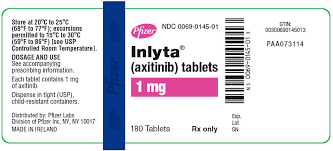
Patients should also be aware of drug interactions with other medications. Axitinib is mainly metabolized by the liver CYP3A4 and should be avoided during administration with strong CYP3A4 inhibitors or inducers to prevent abnormal blood concentration. At the same time, doctors should be informed of all the drugs and health products they are using, especially antifungals, antibiotics and certain traditional Chinese medicine ingredients, to reduce adverse reactions and fluctuations in drug efficacy.
When taking medication for a long time, the patient's living habits will also affect the efficacy and safety. Maintaining a regular schedule, eating a healthy diet, and exercising moderately can help build physical strength and tolerance; at the same time, avoid drinking, smoking, and overexertion. Patients should record their symptoms and adverse reactions at any time, communicate with their doctors regularly, and adjust their medication regimen based on imaging and laboratory test results to achieve a balance between maximum efficacy and minimum side effects.
Reference materials:https://www.drugs.com/
[ 免责声明 ] 本页面内容来自公开渠道(如FDA官网、Drugs官网、原研药厂官网等),仅供持有医疗专业资质的人员用于医学药学研究参考,不构成任何治疗建议或药品推荐。所涉药品可能未在中国大陆获批上市,不适用于中国境内销售和使用。如需治疗,请咨询正规医疗机构。本站不提供药品销售或代购服务。


