
.jpeg)
Safety and risk of adverse reactions of long-term use of giritinib (segatan)
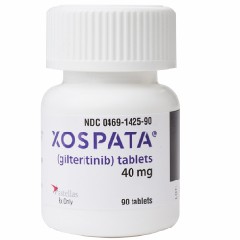
Gilteritinib (Gilteritinib) is an oral small molecule tyrosine kinase inhibitor that mainly targets FLT3 mutations and is suitable for the treatment of patients with relapsed or refractory acute myeloid leukemia (R/R AML). FLT3 Gene mutation is one of the most common types of mutations in acute myeloid leukemia, and is closely related to the aggressive nature of the disease and poor prognosis. Giritinib prevents leukemia cell proliferation and survival by inhibiting the FLT3 signaling pathway, thereby improving patient survival and disease control. However, as a targeted therapy drug, its long-term use still carries a certain risk of adverse reactions, so safety assessment and follow-up management are particularly important.
1. Overview of the safety of long-term medication
Clinical studies have shown that the overall tolerability of gilitinib in patients with relapsed or refractory AML is relatively controllable. Curative effects can be observed in most patients at the early stage of taking the drug, including improvement in blood levels, reduction in the proportion of malignant cells in bone marrow, and extension of progression-free survival. The safety of long-term use of giritinib mainly depends on the patient's underlying condition, concomitant diseases and dosage. Studies have found that the vast majority of adverse reactions are controllable or can be alleviated through dose adjustment, while serious or life-threatening events are relatively rare, but still require high attention.
2. Common adverse reactions and management
The most common adverse reactions during long-term use of giritinib include fever, fatigue, headache, gastrointestinal symptoms (such as nausea, vomiting, diarrhea), and hematological abnormalities (anemia, neutropenia, thrombocytopenia). Among them, hematological abnormalities are of greatest concern and may lead to infection, bleeding, or worsening of anemia symptoms. In order to reduce the risk, it is clinically recommended that patients regularly monitor blood routine, liver and kidney function and electrolytes during medication, and adjust the dose or suspend medication according to changes in blood images.
3. Serious or rare adverse reactions
Giritinib may cause serious adverse events in some patients, such as prolongation of the electrocardiogramQT interval, abnormal cardiac function, liver function damage, and pancreatitis. QT Prolonged QT interval may increase the risk of arrhythmia, so regular electrocardiogram monitoring is required during long-term treatment; patients with abnormal liver function should use it with caution and regularly check liver enzyme indicators; for patients with previous cardiovascular disease, changes in cardiac function should be closely observed. Rare but potentially serious adverse events include liver failure, pneumonia, and septic shock, which are rare but require immediate intervention if they occur.
4. Dose adjustment and individualized management
The safe use of giritinib emphasizes individualized management. For patients with poor tolerance or severe adverse reactions, temporary drug discontinuation, dose reduction, or extended dosing interval may be considered. Dosage adjustment should be carried out under the guidance of a professional doctor, and a comprehensive assessment should be conducted in conjunction with hemogram, liver and kidney function, electrocardiogram and patient clinical symptoms. Long-term follow-up not only helps detect toxicity early, but also ensures that patients continue to benefit within a safe range.
5. Long-term monitoring and medication recommendations
Patients taking giritinib for a long time should establish a complete follow-up system, including regular hematology tests, liver and kidney function assessment, electrocardiogram monitoring, and imaging follow-up, in order to detect drug-related toxicity and disease progression early. At the same time, attention should be paid to the patient's quality of life and psychological state, and fatigue, weakness and other life-affecting symptoms should be reasonably managed. When patients experience discomfort or abnormal indicators, they should contact their doctor in time and should not stop taking the medication or adjust the dose on their own.
Overall, giritinib has shown significant efficacy in the treatment ofFLT3mutatedR/R AML and is relatively safe in most patients with long-term use, but there are still risks of hematological abnormalities, cardiovascular risks, liver function damage and other adverse reactions. Scientific individualized dose adjustment, regular monitoring and timely intervention are the keys to ensuring long-term treatment safety. Patients should use giritinib under the guidance of professional doctors, combined with regular follow-up and self-monitoring, to maximize efficacy and safety.
Reference materials:https://www.drugs.com/
[ 免责声明 ] 本页面内容来自公开渠道(如FDA官网、Drugs官网、原研药厂官网等),仅供持有医疗专业资质的人员用于医学药学研究参考,不构成任何治疗建议或药品推荐。所涉药品可能未在中国大陆获批上市,不适用于中国境内销售和使用。如需治疗,请咨询正规医疗机构。本站不提供药品销售或代购服务。


