
.jpeg)
Economic analysis of one-month cost and long-term medication of Imatinib
Imatinib (Imatinib) is an oral tyrosine kinase inhibitor, mainly used for the treatment of chronic myeloid leukemia (CML) and some gastrointestinal stromal tumors (GIST). In China, imatinib has been launched and included in medical insurance. The common specifications are 100mg×60 tablets, and the market price is about six to seven hundred yuan. According to the standard dosage, the cost of the drug for a month is about 1,500 yuan. The specific amount varies according to the dosage used by the patient and the purchasing channel. Medical insurance coverage can significantly reduce patients’ out-of-pocket burden and make the financial pressure of long-term medication controllable.
Imatinib is a lifelong maintenance treatment drug, and patients with chronic diseases usually need to take it long-term or even lifelong. Therefore, although the single-month cost is relatively acceptable, the total cost of long-term treatment cannot be ignored when accumulated. Even with the support of medical insurance, patients still need to bear part of the out-of-pocket costs. In addition, medical insurance reimbursement ratios and restrictions vary in different regions. In some regions, there may be upper limits on reimbursement amounts or restricted use of drugs in specific hospitals, which may increase the financial burden on patients.
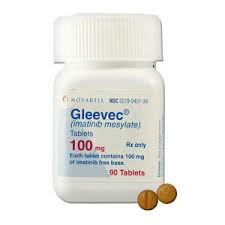
Overseas markets, especially India, provide imatinib generics with specifications of 100mg×120 tablets, and the price is about three to four hundred yuan. Compared with domestic generic drugs, the price is lower, and the drug ingredients are basically the same as the original drugs. This provides patients with an economical choice, especially when domestic medical insurance coverage is limited or cross-border drug purchase conditions permit. However, when purchasing overseas drugs, you need to pay attention to formal channels and drug quality to avoid counterfeit and substandard drugs. At the same time, you should consult a doctor before use to ensure drug safety.
Taken together, the economic burden of long-term treatment with imatinib is closely related to medical insurance policies, dosage requirements, and drug purchase channels. Patients should give priority to drugs in the medical insurance catalog and purchase them through regular hospitals or pharmacies to ensure safety and reimbursement support. For patients with greater financial pressure, dose management, long-term follow-up and medical insurance policies can be combined to rationally arrange medication plans. At the same time, paying attention to changes in the domestic and foreign generic drug markets will help optimize drug costs while ensuring efficacy and achieve economic sustainability of long-term treatment.
Reference materials:https://www.drugs.com/
[ 免责声明 ] 本页面内容来自公开渠道(如FDA官网、Drugs官网、原研药厂官网等),仅供持有医疗专业资质的人员用于医学药学研究参考,不构成任何治疗建议或药品推荐。所涉药品可能未在中国大陆获批上市,不适用于中国境内销售和使用。如需治疗,请咨询正规医疗机构。本站不提供药品销售或代购服务。


