
.jpeg)
Why is the original research product of Guanfacine hydrochloride banned?
Guanfacine was first developed by Shire Pharmaceuticals in the United States under the brand name Intuniv. It was initially marketed as an antihypertensive drug and was later reused to treat attention deficit hyperactivity disorder (ADHD) in children and adolescents. However, the ban or delisting in some countries is not due to the toxicity of the drug itself, but rather due to drug regulatory strategies, changes in commercial interests and restrictive adjustments in the scope of indications.
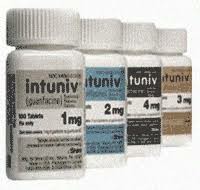
Guanfacine, as a selective α-2A adrenergic receptor agonist, can improve attention control, impulse regulation and executive dysfunction by acting on the prefrontal cortex. This mechanism of action is different from traditional central stimulant drugs, such as methylphenidate or amphetamines, which have a lower risk of side effects. Therefore, they are still regarded as an important non-stimulant treatment for ADHD in Europe and the United States. However, in some countries or regions, the main reasons for the original research version to be withdrawn from the market or suspended from sale include the following points:
First of all, business factors are the key reason. As the patent of guanfacine expires, generic drugs appear one after another, and the original research companies gradually reduce their investment in marketing this product. As drug competition intensifies and profits decline, sales in some national markets have been terminated. Secondly, label update requirements from regulatory agencies have also led to the temporary withdrawal of some drugs. For example, the US FDA and the European EMA have required manufacturers to conduct further pharmacokinetic studies on children's instructions for use, increasing the burden of post-marketing surveillance. Third, some countries have tightened the review of the long-term safety of drugs and the boundaries of indication groups based on local pharmaceutical regulatory standards, making it difficult for original products to maintain commercialization conditions.
It is worth noting that guanfacine has never been "completely banned" globally but has been removed from the shelves or adjusted in specific markets. Its safety is still widely recognized, especially in patients who are intolerant to stimulant drugs, guanfacine is often used as a single agent or as an adjuvant treatment.
Reference materials:https://go.drugbank.com/drugs/DB01018
[ 免责声明 ] 本页面内容来自公开渠道(如FDA官网、Drugs官网、原研药厂官网等),仅供持有医疗专业资质的人员用于医学药学研究参考,不构成任何治疗建议或药品推荐。所涉药品可能未在中国大陆获批上市,不适用于中国境内销售和使用。如需治疗,请咨询正规医疗机构。本站不提供药品销售或代购服务。


