
.jpeg)
Ceritinib/Ceritinib (Zanda) clinical treatment effects and real patient feedback
1. Overview of Drugs
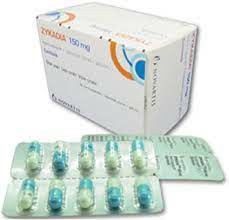
Ceritinib (Ceritinib), also known as ceritinib, is an oral second-generation ALK (anaplastic lymphoma kinase) inhibitor, mainly used for treatment ALKpositive non-small cell lung cancer (NSCLC) patients. The drug effectively inhibits the tyrosine kinase activity of the ALK fusion protein and blocks downstream signaling pathways, thereby inhibiting the proliferation and metastasis of tumor cells. Compared with the first-generation ALK inhibitor crizotinib, ceritinib showed better efficacy in patients with drug-resistant mutations and brain metastases.
Clinical trials have shown that ceritinib has an overall response rate (ORR) of approximately 38%-56%, and the median progression-free survival (PFS) was 5.4-7.0 months. For untreated ALKpositive NSCLC patients, the efficacy of initial treatment with ceritinib is also significant, especially in patients with brain metastases, it can also achieve a higher response rate, which makes ceritinib an important treatment option for ALKpositive patients.
2. Clinical efficacy observation
1.Tumor response: In most clinical studies, patients can observe imaging response after taking the drug 2-3 months. It is common for tumors to shrink or become stable, and some patients can even achieve partial response (PR). For patients with brain metastases, ceritinib can also effectively control brain lesions and shows good penetration of the blood-brain barrier, which is an important advantage compared with the first-generation ALK inhibitors.
2.Survival benefit: Long-term follow-up data show that ceritinib can significantly prolong patients’ progression-free survival (PFS) and a certain extent overall survival (OS). Especially for patients who are resistant to crizotinib, ceritinib provides an effective second-line treatment option, delaying disease progression and improving quality of life.
3.Tolerability and safety: Although ceritinib has significant efficacy, it is still accompanied by certain side effects, common ones include diarrhea, nausea, vomiting, abnormal liver function, decreased appetite and fatigue. Most side effects can be relieved by dose adjustment, symptomatic treatment, or short-term discontinuation of the drug. In clinical use, doctors will develop individualized dosage plans based on patient tolerance to ensure a balance between efficacy and safety.
3. Real patient feedback
Based on actual patient feedback, ceritinib is generally recognized for its ability to control disease. Most patients said that after taking the drug imaging examinations showed that the tumor shrank or the lesions were stable, and symptoms were significantly improved, such as dyspnea, coughing and chest tightness were alleviated, and the quality of life was improved. Especially for patients with brain metastases, symptoms such as headaches and blurred vision are relieved after controlling brain lesions with ceritinib.
Some patients mentioned that they may experience gastrointestinal discomfort or mild fatigue in the early stage. However, by adjusting their diet and medication, the symptoms can be alleviated without seriously affecting daily life. Some patients reported that through long-term medication, the disease was effectively controlled, and physical fitness and daily activities were significantly improved, which enhanced their compliance and confidence in treatment.
However, a small number of patients stated that side effects may lead to a short-term decrease in quality of life and require regular follow-up and dose adjustment under the guidance of a doctor. In addition, some patients may still develop drug resistance or disease progression after long-term use, which suggests the need to combine subsequent treatment options, such as other targeted drugs or chemotherapy, to prolong the efficacy.
Overall, ceritinib/ceritinib has shown significant anti-tumor activity and clinical value in ALKpositive NSCLC patients, especially in patients with brain metastases and crizotinib-resistant populations. It has unique advantages. Through standardized use, regular follow-up and side effect management, patients can achieve a balance between efficacy and quality of life.
During use, patients should strictly follow the doctor's prescription and avoid adjusting the dosage on their own. At the same time, they should maintain regular imaging and hematology examinations to evaluate the efficacy and detect potential side effects in a timely manner. Combined with real patient feedback, ceritinib can both delay disease progression and improve symptoms in actual clinical practice, making it an important treatment option for patients with ALK-positive lung cancer.
Reference materials:https://www.drugs.com/
[ 免责声明 ] 本页面内容来自公开渠道(如FDA官网、Drugs官网、原研药厂官网等),仅供持有医疗专业资质的人员用于医学药学研究参考,不构成任何治疗建议或药品推荐。所涉药品可能未在中国大陆获批上市,不适用于中国境内销售和使用。如需治疗,请咨询正规医疗机构。本站不提供药品销售或代购服务。


