
.jpeg)
Methods for dealing with side effects of Bestivan (Viliru) and daily management strategies
1. Overview of Drugs
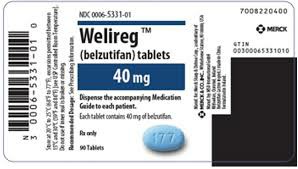
Belzutifan (Belzutifan) is an oral HIF-2α inhibitor, mainly used for treatment Renal cell carcinoma (RCC) and other VHL disease-related tumors related to the VHL gene. Its mechanism of action is to selectively inhibit HIF-2α transcriptional activity and reduce the expression of tumor growth factors, thereby inhibiting tumor angiogenesis and tumor cell proliferation. Compared with traditional targeted drugs, Bestivan shows the characteristics of precise targeting and good tolerance. However, certain side effects may still occur during long-term treatment, which requires joint management by patients and doctors.
2. Common side effects and preliminary treatments
1.Hematological abnormalities: Bestivan may cause anemia, decreased hemoglobin and other hematological side effects. Patients should have a baseline blood count assessment before treatment and have hemoglobin levels monitored regularly during treatment . When moderate anemia occurs, supportive treatment can be provided through oral or intravenous supplementation of iron, folic acid, vitamin B12, etc.; for patients with severe anemia, doctors may suspend medication or adjust the dosage to ensure safety.
2.Fatigue and weakness: Some patients may experience mild to moderate fatigue in the early stages of taking the drug. Mild to moderate fatigue. Patients are advised to relieve symptoms through reasonable rest, moderate exercise and balanced nutrition . If fatigue significantly affects daily life, you may consider adjusting the dose or extending the dosing interval under the guidance of a doctor.
3.Hyperglycemia or blood sugar fluctuations: Bestivan may affect glucose metabolism in some patients. People with diabetes or those whose blood sugar is prone to fluctuations should Monitor blood sugar levels regularly and adjust their diet and medications according to doctor's recommendations. If abnormal blood sugar persists, contact your doctor promptly to assess whether intervention or dose adjustment of bestivan is needed.
4.Abnormal liver function: A small number of patients may experience elevated levels of ALT and AST. It is recommended to conduct liver function tests before taking the medicine and regularly during the medicine. Mild elevations can usually be controlled through observation and symptomatic treatment; if liver function indicators are significantly abnormal, doctors may suspend treatment or reduce the dose, and consider using hepatoprotective drugs.
3. Daily management strategies
1.Regular monitoring: During the use of besetifan, patients should follow the doctor's guidance and conduct regular blood routine, liver and kidney function and blood sugar monitoring. Through regular review, abnormal indicators can be discovered in time and intervention measures can be taken to prevent the worsening of side effects.
2.Lifestyle intervention: Maintaining a healthy diet, getting enough sleep, exercising moderately, and quitting smoking and limiting alcohol can help improve drug tolerance and quality of life. For patients with anemia, the intake of iron-rich foods can be increased; for patients with blood sugar fluctuations, high-sugar and high-fat diets should be controlled.
3.Side effects response: When mild to moderate side effects occur, symptomatic treatment and lifestyle adjustments can be used; if there are severe side effects or persistent discomfort, you should seek medical treatment in time to avoid stopping the medication on your own or increasing the dose without authorization. Doctors may adopt dose reduction, temporary suspension of medication, or combined supportive treatment to ensure safety.
4.Patient education and follow-up: Patients should understand the common side effects and countermeasures that may occur with bezutivan, such as fatigue, anemia or abnormal blood sugar. Family members can help observe the patient's daily symptoms, record abnormalities in a timely manner, and provide feedback to the doctor during follow-up visits. This helps doctors make individualized dosage adjustments and side effects management based on the patient's actual conditions.
Bestifan has shown good efficacy and tolerability in the treatment ofVHL related tumors and renal cell carcinoma, but side effects such as hematological abnormalities, fatigue, blood sugar fluctuations and liver function abnormalities may still occur during clinical use. Through regular monitoring, symptomatic treatment, lifestyle intervention and individualized dose adjustment, most side effects can be effectively controlled, thereby ensuring treatment safety and sustained efficacy.
In short, patients and their families should maintain close communication with their doctors, follow standardized medication and review plans, handle adverse reactions in a timely manner, and manage side effects in conjunction with a healthy lifestyle, in order to maximize the therapeutic value of besetifan.
Reference materials:https://www.drugs.com/
[ 免责声明 ] 本页面内容来自公开渠道(如FDA官网、Drugs官网、原研药厂官网等),仅供持有医疗专业资质的人员用于医学药学研究参考,不构成任何治疗建议或药品推荐。所涉药品可能未在中国大陆获批上市,不适用于中国境内销售和使用。如需治疗,请咨询正规医疗机构。本站不提供药品销售或代购服务。


