
.jpeg)
What are the common adverse reactions of Imatinib (Gleevec) and how to deal with them
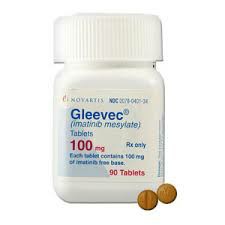
Imatinib (Imatinib) is the world's first targeted drug to be marketed. It is mainly used to treat diseases such as chronic myelogenous leukemia (CML), acute lymphoblastic leukemia (ALL) and gastrointestinal stromal tumor (GIST). As a BCR-ABLtyrosine kinase inhibitor, it blocks the proliferation and survival of cancer cells by inhibiting abnormal kinase activity. Although the clinical efficacy of imatinib has been widely confirmed, varying degrees of adverse reactions may still occur during long-term use. Understanding these side effects and countermeasures is crucial to improving patient compliance and ensuring efficacy.
Common adverse reactions and their mechanisms
1.Digestive system reaction
One of the common side effects of imatinib is gastrointestinal discomfort, including nausea, vomiting, diarrhea, or abdominal pain. Such adverse reactions are mostly related to the drug's stimulation of the gastrointestinal mucosa or its effect on smooth muscle movement. Some patients will experience obvious discomfort when they first start taking the medicine, but most of them will gradually relieve it as the time of taking the medicine increases.
2.Eedema and weight gain
Imatinib can cause fluid retention, manifested as edema of the eyelids, ankle joints, or lower limbs, and in severe cases, pleural or abdominal effusion. This is mainly related to the drug's influence on capillary permeability and renal sodium and water regulation function. Edema is often a dose-related side effect, and some patients may gain weight as a result.
3.Hematological adverse reactions
As a bone marrow suppression-related drug, imatinib commonly causes neutropenia, thrombocytopenia, and anemia. Especially in the early treatment of CML patients, such hematological adverse reactions are more common and need to be detected in time through hematological monitoring. If bone marrow suppression is evident, medication may need to be suspended or dosage adjusted.
4.Skin reaction
Some patients may experience rash, itching, pigmentation or even photosensitivity reactions. Most rashes are mild to moderate, but severe skin adverse reactions, such as Stevens-Johnson syndrome (SJS), may occur in rare cases.
5.Abnormal liver function
Imatinib is metabolized in the liver, and some patients may experience elevated transaminases, elevated bilirubin or even drug-induced hepatitis during medication. If liver function damage is severe, the drug needs to be discontinued and hepatoprotective treatment adopted.
6.Other adverse reactions
Some patients may also experience muscle spasms, skeletal muscle pain, fatigue, headaches, eye discomfort, etc. Most are mild to moderate and can be improved through symptomatic treatment.
Handling and preventive measures
1.Adverse gastrointestinal reactions
It is recommended that patients take medicine immediately after meals to reduce irritation to the gastrointestinal tract; if symptoms are obvious, antiemetics or antacids can be used under the guidance of a doctor, but avoid affecting drug absorption.
2. Edema and fluid retention
Mild edema can be relieved by reducing salt intake and moderately raising the lower limbs. If edema is severe, diuretic therapy may be considered, along with monitoring of body weight and electrolyte levels. For patients who develop pleural or peritoneal effusion, further evaluation is required and medication should be suspended if necessary.
3.Hematological adverse reactions
Regular blood routine monitoring is critical. If a significant decrease in neutrophils is found, the risk of infection should be avoided. If necessary, the medication should be suspended or the dose should be reduced. White blood cell-raising drugs can be used under the guidance of a doctor; when platelets are too low, attention should be paid to preventing bleeding.
4.Skin reaction
For mild rashes, topical anti-allergic drugs or glucocorticoid ointments can be used; if extensive rashes or severe skin reactions occur, the medication should be stopped immediately and seek medical attention. Patients should avoid prolonged exposure to strong sunlight to reduce the risk of photosensitivity.
5.Liver function damage
It is recommended that patients monitor liver function before and regularly during medication. If mild to moderate liver function abnormalities occur, hepatoprotective drugs can be used; in severe cases, the drug needs to be discontinued and the treatment plan adjusted according to the doctor's recommendations.
6.Other discomforts
Muscle spasms or skeletal muscle pain can be relieved by supplementing calcium, magnesium or moderate stretching; fatigue and headaches can be improved by adjusting work and rest, moderate exercise and improving sleep quality.
Overall, most of the adverse reactions of imatinib are mild to moderate and reversible, and can be effectively controlled through scientific management and individualized treatment. While taking imatinib, patients should strictly abide by medical instructions and review blood routine, liver function and imaging indicators on time. When encountering adverse reactions, you should communicate with your doctor in time instead of stopping the medication on your own to avoid affecting the treatment effect. For patients undergoing long-term treatment, establishing a standardized monitoring and management mechanism can not only minimize side effects, but also improve the quality of life and overall treatment benefits.
Reference materials:https://www.drugs.com/
[ 免责声明 ] 本页面内容来自公开渠道(如FDA官网、Drugs官网、原研药厂官网等),仅供持有医疗专业资质的人员用于医学药学研究参考,不构成任何治疗建议或药品推荐。所涉药品可能未在中国大陆获批上市,不适用于中国境内销售和使用。如需治疗,请咨询正规医疗机构。本站不提供药品销售或代购服务。


