
.jpeg)
Ruxolitinib cream (Opzelura) side effects treatment methods and medication safety guidance
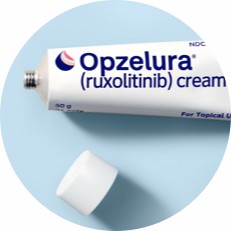
Ruxolitinib cream (Opzelura) is a topical JAK inhibitor commonly used to treat vitiligo and mild to moderate atopic dermatitis. Because they mainly exert local effects through skin absorption, they have a lower risk of systemic side effects than oral or injectable JAK inhibitors. However, patients may still experience local or minor systemic reactions when taking the drug for a long time or on a large area. In order to help patients use ruxolitinib cream more safely and effectively, the following will provide a detailed analysis of the types of side effects, countermeasures, medication safety guidance, and life management.
Common side effects types and characteristics
Common side effects in patients using ruxolitinib cream are mainly local skin reactions. Some patients will experience mild erythema, itching, burning sensation or dry skin at the application site. Such reactions usually occur in the early stages of treatment, and as the skin gradually adapts, the symptoms tend to lessen. In addition, individual patients may develop folliculitis, acne-like rash or skin infection, which is related to the effect of the drug on local immune regulation. Although rare, long-term application to large areas or exceeding recommended doses may cause the drug to be absorbed into the system, increasing the risk of systemic side effects such as headaches, upper respiratory tract infections, or minor white blood cell changes. Therefore, it is essential to understand the side effect profile and remain vigilant.
Side effects treatment and relief methods
For mild local erythema or itching, patients can moderately use mild moisturizers between medications and avoid using skin care products containing alcohol or irritating ingredients. If burning or stinging sensation occurs, the frequency of medication can be appropriately reduced and then gradually resumed after the symptoms are relieved. If folliculitis or skin infection occurs, you should seek medical treatment promptly and use anti-infective drugs or adjust the medication regimen under the guidance of a doctor. If the patient develops obvious general discomfort during treatment, such as persistent headache or fever, the medication should be suspended immediately and the doctor should be contacted for a hematology test to rule out systemic side effects. In general, most side effects are mild to moderate and reversible, and can be effectively controlled with proper skin care and dosage management.
Medication Safety Guidance and Precautions
To ensure maximum safety, patients should use ruxolitinib cream strictly in accordance with the doctor's prescription, and should not increase the dosage or expand the application range at will. When using medication, you should avoid broken skin and infected areas to reduce drug absorption and the risk of secondary infection. During treatment, it is recommended to avoid concurrent use of other strong topical medications (such as glucocorticoids or calcineurin inhibitors) to avoid increased risk of skin irritation or side effects. In addition, pregnant women, lactating women and pediatric patients should use it with caution after physician evaluation. Patients also need to pay attention to the storage of drugs and avoid direct sunlight and high temperature environments to maintain stable drug efficacy.
Daily management and long-term medication strategies
During long-term medication, patients should establish standardized medication habits, such as applying at a fixed time and avoiding frequent skipping or discontinuation of medication, in order to maintain the sustainability of the drug's efficacy. Pay attention to avoid excessive sun exposure in daily life, especially those with vitiligo. They should take sun protection measures to reduce the damage of ultraviolet rays to the skin. At the same time, eating properly, maintaining a regular schedule and a good mental state can also help skin recovery. Regular follow-up and skin assessment are important parts of long-term treatment. Doctors can adjust the frequency of medication or combine it with other treatments based on skin improvement and side effects to achieve the best balance between efficacy and safety.
In summary, the side effects of ruxolitinib cream are generally controllable, but patients need to pay attention to local reactions and potential systemic risks. Through reasonable nursing measures, standardized medication guidance and scientific life management, most patients can obtain good treatment effects and improve their quality of life while ensuring safety.
Reference materials:https://www.drugs.com/
[ 免责声明 ] 本页面内容来自公开渠道(如FDA官网、Drugs官网、原研药厂官网等),仅供持有医疗专业资质的人员用于医学药学研究参考,不构成任何治疗建议或药品推荐。所涉药品可能未在中国大陆获批上市,不适用于中国境内销售和使用。如需治疗,请咨询正规医疗机构。本站不提供药品销售或代购服务。


