
.jpeg)
Dabrafenib (Tefila) single dose duration of efficacy and clinical reference
Dabrafenib is a selective BRAF inhibitor, mainly used to treat melanoma and some non-small cell lung cancers with BRAF V600E or V600K mutations. It can be rapidly absorbed after oral administration and binds to BRAF mutated protein in the body, thereby blocking the MAPK signaling pathway and inhibiting the proliferation of tumor cells. Pharmacokinetic data show that the half-life of dabrafenib is generally between 8 hours and 10 hours, which means that the efficacy of a single dose can usually be maintained from a few hours to nearly a day.
From a clinical perspective, the duration of dabrafenib's efficacy determines that it needs to be administered multiple times a day. It is usually recommended to dose 150 mg twice a day. This administration method is designed to ensure the relative stability of the blood drug concentration in the body and avoid insufficient therapeutic effect due to the attenuation of a single drug effect. If the patient misses or delays taking the medicine, the effective concentration of the medicine in the blood may decrease, thus affecting the overall efficacy. Therefore, regular medication is crucial.
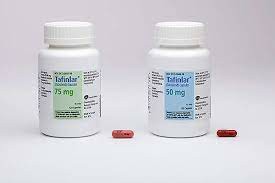
Clinical studies have found that the efficacy of dabrafenib after a single dose is relatively stable within 8 to 12 hours and can effectively inhibit tumor signaling pathways. However, if the next dose is not supplemented for a long time, it may cause the cancer cells to gradually regain activity. This is why doctors recommend that patients take it on time and not stop taking it at will or adjust the dosage on their own. For long-term treatment, maintaining a stable blood drug concentration is more critical than a single drug effect, which is directly related to the disease control effect.
Overall, the duration of a single dose of dabrafenib is limited, so a standard twice-daily dosing regimen is used clinically to maintain a durable anti-tumor effect. Patients should strictly follow the doctor's instructions during treatment, not only to ensure accurate dosage, but also to pay attention to the interval between medication times to avoid reduced efficacy or increased side effects due to missed doses or overdose. Doctors will also make individualized adjustments based on the patient's tolerance and disease response, combined with blood pharmacological characteristics, to ensure that the drug exerts the best therapeutic effect.
Reference materials:https://www.drugs.com/
xa0
[ 免责声明 ] 本页面内容来自公开渠道(如FDA官网、Drugs官网、原研药厂官网等),仅供持有医疗专业资质的人员用于医学药学研究参考,不构成任何治疗建议或药品推荐。所涉药品可能未在中国大陆获批上市,不适用于中国境内销售和使用。如需治疗,请咨询正规医疗机构。本站不提供药品销售或代购服务。


