
.jpeg)
Comprehensive interpretation and evaluation of the efficacy, effects and potential side effects of axitinib (Inlida)
Axitinib (Axitinib) is an oral small molecule tyrosine kinase inhibitor (TKI) that mainly targets vascular endothelial growth factor receptor ( VEGFR-1, VEGFR-2, VEGFR-3) to exert anti-tumor effects. By blocking the VEGF signaling pathway, axitinib can inhibit tumor angiogenesis, thereby reducing tumor blood supply and limiting tumor growth and metastasis. In clinical practice, axitinib is mainly used for first-line or second-line treatment of advanced or metastatic renal cell carcinoma (mRCC), as well as for investigational applications in some solid tumors. Its efficacy is outstanding in prolonging progression-free survival (PFS) and improving disease control rate, especially in tumors that are highly dependent on the VEGF pathway.
Axitinib has shown high disease control rates in clinical trials. In a study of advanced renal cell carcinoma, axitinib monotherapy achieved an overall response rate (ORR) of 20%-30%, and some patients achieved long-term disease stabilization. In addition, axitinib can still provide effective disease control for patients who have developed resistance after previous treatment with sorafenib or sunitinib, which also highlights its clinical value in second-line treatment. The oral administration method of the drug facilitates long-term management of patients, and can be used in combination with immunotherapy or other targeted drugs to improve efficacy.
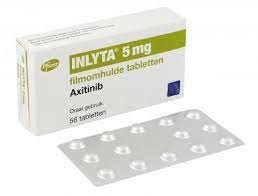
However, the use of axitinib comes with certain risks of side effects. Common adverse reactions include hypertension, fatigue, decreased appetite, hand-foot syndrome, diarrhea, thyroid dysfunction, etc. Hypertension is the most common side effect that requires special attention and may affect the patient's cardiovascular safety. Therefore, blood pressure needs to be assessed before medication and monitored regularly during treatment. Although hand-foot syndrome and rash are not life-threatening, they can affect quality of life and require management through local care, medication dose adjustment, and other measures. Some patients may also develop abnormal liver function or proteinuria, so regular liver function and urine tests are also essential.
In terms of potential serious adverse reactions, axitinib may cause bleeding risks, thrombosis and cardiac dysfunction, such as heart failure or QT interval prolongation. Patients should pay attention to any abnormal symptoms during use, such as chest pain, palpitations, difficulty breathing or abnormal bleeding, and seek medical attention immediately if they occur. For patients with a history of cardiovascular disease or renal insufficiency, doctors usually perform detailed assessments before taking the drug and follow them closely during treatment to reduce risk. For patients taking long-term medication, individualized dose adjustment, intermittent monitoring, and lifestyle intervention (such as low-salt diet, regular exercise) are important measures to ensure safety.
Taken together, axitinib, as a targeted anti-angiogenic drug, has clear efficacy in the treatment of advanced renal cell carcinoma and some solid tumors, and can prolong progression-free survival and improve disease control rates. At the same time, its side effects are relatively controllable, but it is necessary to strictly follow the doctor's instructions to monitor blood pressure, liver function and heart function. Patients should fully evaluate their basic conditions before taking medication, and maintain good living habits and regular follow-up during medication to ensure the best efficacy of the medication and reduce potential risks. In long-term management, close cooperation between doctors and patients is the key to ensuring treatment effectiveness and safety.
Reference materials:https://www.drugs.com/
[ 免责声明 ] 本页面内容来自公开渠道(如FDA官网、Drugs官网、原研药厂官网等),仅供持有医疗专业资质的人员用于医学药学研究参考,不构成任何治疗建议或药品推荐。所涉药品可能未在中国大陆获批上市,不适用于中国境内销售和使用。如需治疗,请咨询正规医疗机构。本站不提供药品销售或代购服务。


