
.jpeg)
Analysis of survival time and influencing factors during treatment with trametinib (Megenin)
Trametinib is an oral MEK inhibitor that blocks tumor cell proliferation and promotes apoptosis mainly by inhibiting the activities of MEK1 and MEK2 in the MAPK/ERK signaling pathway. This mechanism of action enables trametinib to show certain efficacy in melanoma and other tumors related to BRAF V600 mutation. Clinical studies have shown that trametinib alone or in combination with a BRAF inhibitor can prolong the progression-free survival (PFS) and overall survival (OS) of patients, especially in patients with BRAF Patients with V600E or V600K mutations have more obvious effects.
In clinical trials of trametinib as monotherapy in patients with BRAF mutated advanced melanoma, the median PFS was approximately 4 By 5 months, the median OS can reach about 16 to 18 months. Although the single-agent efficacy is limited, trametinib is well tolerated, and most adverse reactions can be alleviated through dose adjustment or symptomatic treatment. Clinical observations also show that early use of trametinib, lower tumor burden, and better general condition of the patient are important factors in prolonging survival.
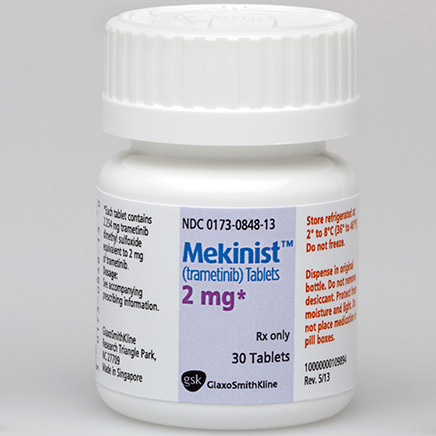
The combination of trametinib and BRAF inhibitors (such as dabrafenib) can significantly improve patient prognosis. Clinical data of combination therapy show that median PFS can be extended to 11 to 12 span> months, the median OS reaches more than 24 months, and some patients can maintain remission for a long time. Combination therapy not only improves the objective response rate (ORR) but also reduces the rate of emergence of drug resistance. However, the incidence of adverse reactions of combined drugs is slightly higher than that of single drugs. Common ones include rash, diarrhea, abnormal cardiac function and eye toxicity. Therefore, relevant indicators need to be monitored regularly during the treatment process.
The factors that affect the survival period of trametinib treatment mainly include patient age, previous treatment history, BRAF mutation type, tumor stage and concomitant diseases. Younger patients, those who have not received previous systemic treatment, those with BRAF V600E mutations and lower tumor burden tend to have longer survival times. In addition, patients' medication compliance, individualized adjustment of treatment dosage, and regular follow-up monitoring also directly affect the efficacy and survival prognosis. Therefore, in clinical application, it is necessary to comprehensively evaluate various patient factors to optimize the trametinib treatment plan and prolong patient survival.
Reference materials:https://www.drugs.com/
[ 免责声明 ] 本页面内容来自公开渠道(如FDA官网、Drugs官网、原研药厂官网等),仅供持有医疗专业资质的人员用于医学药学研究参考,不构成任何治疗建议或药品推荐。所涉药品可能未在中国大陆获批上市,不适用于中国境内销售和使用。如需治疗,请咨询正规医疗机构。本站不提供药品销售或代购服务。


