
.jpeg)
How effective is Guanfacine?
Guanfacine is a selectiveα2A adrenoceptor agonist. It mainly acts on the prefrontal cortex of the brain, which is a key area that regulates attention, emotion and impulse control. Unlike traditional stimulant drugs, guanfacine improves attention maintenance and emotional stability by gently regulating neurotransmitter activity, thereby helping patients with attention deficit hyperactivity disorder (ADHD) gain better control over learning and daily behaviors.
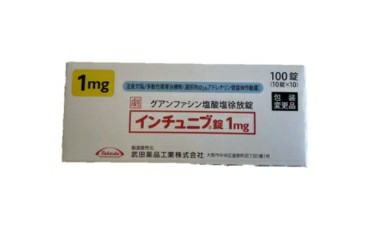
The exact mechanism has not yet been fully elucidated, but studies have shown that guanfacine can enhance the signaling efficiency of prefrontal neural networks and promote the stability of "working memory circuits" between neurons. This effect improves the patient's ability to think and concentrate, reduces impulsive behavior, and significantly improves anxiety and irritability. For patients with sleep disorders, guanfacine can also help fall asleep and improve nighttime anxiety by reducing sympathetic nerve activity.
In overseas real-world data, the clinical effects of guanfacine are mainly reflected in three aspects:
First, concentration is improved. The patient's continuous concentration time in study or work is prolonged and the patient is more responsive to task switching;
Second, impulse and emotion control improve. Many patients report fewer emotional outbursts and more peaceful interactions with others;
Third, sleep quality improves. The drug's sedative effect helps patients fall asleep faster and sleep more deeply, reducing daytime fatigue.
Compared with traditional stimulants (such as methylphenidate and amphetamines), the advantages of guanfacine are that it has a very low risk of addiction, has a slight impact on heart rate, and is not likely to cause anxiety or loss of appetite. Therefore, it is particularly suitable for ADHD patients with anxiety tendencies, sleep problems, or cardiovascular concerns.
However, some patients may experience mild drowsiness, dizziness or low blood pressure during initial use, and these reactions usually resolve on their own after a few days. The doctor can adjust the medication time or dosage according to the situation to reduce discomfort.
Reference materials:https://go.drugbank.com/drugs/DB01018
[ 免责声明 ] 本页面内容来自公开渠道(如FDA官网、Drugs官网、原研药厂官网等),仅供持有医疗专业资质的人员用于医学药学研究参考,不构成任何治疗建议或药品推荐。所涉药品可能未在中国大陆获批上市,不适用于中国境内销售和使用。如需治疗,请咨询正规医疗机构。本站不提供药品销售或代购服务。


