
.jpeg)
Effects and side effects of combined treatment with capmatinib (Tourad) and chemotherapy
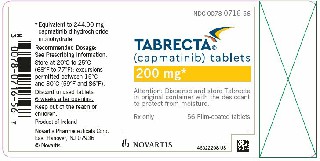
Capmatinib (Capmatinib) is an oral small drug that targets MET exon 14 skipping mutations. Molecular tyrosine kinase inhibitors (TKI) are mainly used to treat MET mutation-positive non-small cell lung cancer (NSCLC). In recent years, with the in-depth research on targeted drugs, capmatinib has not only been used as a single agent, but has also begun to explore the potential of combined use with chemotherapy, in order to improve the overall efficacy of patients. The following is a detailed analysis from the perspective of efficacy, side effects and clinical application.
1. The therapeutic advantages of combined treatment
The main purpose of using capmatinib in combination with chemotherapy is to enhance the inhibitory effect on MET mutation-positive NSCLC. Single-agent capmatinib has shown a high objective response rate (ORR) and prolonged progression-free survival (PFS) in clinical studies, but some patients may develop drug resistance or incomplete response. Studies have shown that capmatinib combined with platinum-based chemotherapy can improve the response rate and disease control rate to a certain extent (DCR), especially for patients with advanced disease or who have failed previous chemotherapy, and is expected to prolong overall survival (OS). Combination therapy works through dual mechanisms. While targeting the MET signaling pathway, chemotherapy drugs further kill tumor cells by inhibiting cell division, thereby potentially enhancing the efficacy.
2. Side effects
Although the combined use of capmatinib and chemotherapy can improve the efficacy, it inevitably increases the risk of side effects. Common adverse reactions of capmatinib include edema, nausea, vomiting, fatigue, myalgia, and hematological abnormalities (such as thrombocytopenia, lymphopenia). Chemotherapy drugs cause side effects such as bone marrow suppression, hair loss, and gastrointestinal reactions. Combined use of drugs may cause superimposed side effects, especially hematological toxicity, and blood changes need to be closely monitored. At the same time, some patients may suffer from liver function damage or cardiovascular abnormalities. Therefore, during combined treatment, doctors usually adjust the dosage according to the patient's physical condition and laboratory indicators, and regularly evaluate the severity of adverse reactions.
3. Patient Selection and Treatment Management
Not allMET mutation-positiveNSCLCAll patients are suitable for combination therapy. Clinically, the patient's age, previous treatment history, liver and kidney function, cardiovascular health status, and overall physical condition are mainly considered. For patients with frail health or severe comorbidities, single-agent targeted therapy may be safer. Combination therapy requires professional doctors to develop an individualized plan, including dose selection, chemotherapy cycle schedule, and follow-up monitoring plan, to ensure maximum efficacy while minimizing risks.
4. Clinical research and application prospects
Currently, clinical data on capmatinib combined with chemotherapy are still being accumulated. Some early studies have shown that the combination regimen significantly improved the objective response rate in certain subgroups of patients, but the improvement in overall survival still needs further verification. In the future, combination therapy may be combined with new therapies such as immunotherapy to form a multi-modal treatment strategy, providing more options for patients with MET mutation-positive NSCLC. In addition, side effect management, resistance mechanism research and biomarker monitoring are also important directions for future research, which will help optimize treatment plans and achieve more precise individualized treatment.
To sum up, the combination treatment of capmatinib and chemotherapy may improve the efficacy in certain patients, but at the same time increase the risk of side effects. Clinical application should strictly assess the patient's condition, rationally adjust the dose, and strengthen adverse reaction monitoring. As more clinical data accumulates, this combination strategy is expected to play a greater role in the treatment of advanced MET mutation-positive NSCLC and bring better survival and quality of life to patients.
Reference materials:https://www.drugs.com/
[ 免责声明 ] 本页面内容来自公开渠道(如FDA官网、Drugs官网、原研药厂官网等),仅供持有医疗专业资质的人员用于医学药学研究参考,不构成任何治疗建议或药品推荐。所涉药品可能未在中国大陆获批上市,不适用于中国境内销售和使用。如需治疗,请咨询正规医疗机构。本站不提供药品销售或代购服务。


