
.jpeg)
Correct usage and precautions for taking Brivaracetam
Brivaracetam is a second-generation anti-epileptic drug used to control partial seizures of epilepsy. It was developed by UCB Pharmaceuticals in Belgium and has the trade name Briviact. It is a highly selective synaptic vesicle protein 2A (SV2A) ligand with higher binding affinity and faster onset of action than levetiracetam, and is outstanding in reducing seizure frequency and improving tolerance. Brivaracetam is widely used internationally as a single drug or combination treatment for epilepsy in adults and children. Because of its stable drug metabolism pathways, few drug interactions, and good compliance, it has gradually become one of the mainstream anti-epileptic regimens recommended in clinical settings around the world.
The dosage of brivaracetam needs to be individualized based on the patient's age, weight and tolerance. Adults and adolescents 16 years and older usually start with 50 mg orally twice daily. The maintenance dose can be adjusted between 25 and 100 mg based on patient response, with a maximum dose of 200 mg daily. The drug can be taken with or without food, and tablets, oral solutions and intravenous injections are interchangeable, providing patients with greater dosing flexibility. When patients are temporarily unable to take oral medications due to surgery or disease, intravenous injection can be used instead. The recommended dose is 50 mg each time, twice a day, and the injection time is 2 to 15 minutes. It is worth noting that intravenous preparations are generally used for no more than 4 consecutive days, and oral administration should be resumed as soon as possible thereafter.
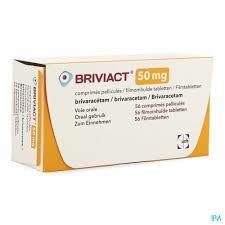
The dose for pediatric patients needs to be accurately calculated based on body weight. For children 1 month to 16 years of age, the recommended dosage range is 0.5 to 3 mg/kg twice daily. The lower the weight of children, the lower the starting dose. For example, children weighing less than 11 kg can start with a dose of 0.75 to 1.5 mg/kg, while adolescents weighing more than 50 kg can take the adult dose. Since children's weight changes rapidly, parents should review their weight regularly under the guidance of a doctor so that they can adjust the dosage in a timely manner to avoid drug overdose or insufficient efficacy.
During the use of brivaracetam, patients should comply with the individualized treatment plan prescribed by their doctor and avoid increasing or decreasing the dose on their own or suddenly stopping the drug. Abrupt discontinuation of the drug may result in increased seizure frequency or withdrawal convulsions. The half-life of brivaracetam is approximately 9 hours, and regular twice-daily administration helps maintain stable blood concentration. If you miss a dose, you should take it as soon as possible, but if it is close to the next dose time, you should not double the dose.
In addition, patients should avoid drinking alcohol and taking other central nervous system depressant drugs, such as benzodiazepine sedatives or powerful analgesics, during treatment to avoid aggravating adverse reactions such as drowsiness, dizziness and unresponsiveness. For drivers and patients whose work requires high concentration, brivaracetam may cause a slight initial delay in reaction, so it is recommended to wait until tolerance has stabilized before resuming driving or operating machinery.
People with impaired liver function should be cautious when using this drug, because brivaracetam is mainly metabolized by the liver. Patients with mild to moderate liver impairment can appropriately reduce the dose, while patients with severe liver dysfunction require close monitoring by a doctor. Patients with renal insufficiency generally do not need to adjust the dosage, but basic evaluation is still recommended.
Reference materials:https://www.briviact.com/
[ 免责声明 ] 本页面内容来自公开渠道(如FDA官网、Drugs官网、原研药厂官网等),仅供持有医疗专业资质的人员用于医学药学研究参考,不构成任何治疗建议或药品推荐。所涉药品可能未在中国大陆获批上市,不适用于中国境内销售和使用。如需治疗,请咨询正规医疗机构。本站不提供药品销售或代购服务。


