
.jpeg)
What are the precautions for Subvenite (Lamotrigine)?
Subvenite (Lamotrigine) is a prescription drug widely used to treat epilepsy and bipolar disorder. It is internationally regarded as an important representative of neuromodulatory anti-epileptic drugs. However, while this drug brings clinical benefits, it also comes with a certain risk of serious adverse reactions. According to drug safety information (such as FDA and EMA warnings), Subvenite has a "Black Box Warning", indicating that it may cause severe rashes, including Stevens-Johnson syndrome (SJS) and toxic epidermal necrolysis (TEN). Although this type of rash is rare, it can be life-threatening when it occurs, so early recognition and prompt discontinuation of medication are crucial. If patients develop skin erythema, blisters or fever during the initial stage of taking the medication, they should seek medical attention immediately and should not continue taking it on their own.
In addition to rash,Subvenite also needs to be wary of drug-induced hemophagocytic lymphohistiocytosis (HLH), a rare but potentially fatal immune system overactive reaction characterized by persistent fever, abnormal liver function, and low blood cells. Some patients may also experience drug reactions with eosinophilia and systemic symptoms (DRESS syndrome), which is a multi-organ hypersensitivity reaction involving multiple systems such as the liver, kidneys, and lungs. Since the early symptoms of these reactions are similar to those of common allergies, clinicians need to closely observe changes in laboratory indicators and symptoms during medication.
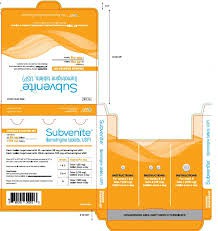
Subvenite also requires caution when it comes to cardiac electrical conduction. Studies have found that this drug may affect sodium channels and heart rhythm stability. Therefore, patients with atrioventricular block, arrhythmia, or structural heart disease should strictly assess the risk under the guidance of a doctor. In addition, blood system abnormalities, such as aplastic anemia, agranulocytosis, etc., have also been reported with the drug. It is recommended to monitor the blood picture regularly during long-term medication.
Mental warnings should not be ignored either. Multiple international drug monitoring reports suggest that Subvenite may be associated with an increased risk of suicidal behavior or suicidal ideation. Especially among patients with mood disorders, if there is a sudden change in mood, increased anxiety, or thoughts of self-harm, they should immediately communicate with their doctor to adjust the plan. For adolescent and young adult patients, this risk especially requires family supervision.
Another rare side effect of concern is aseptic meningitis, with symptoms including headache, stiff neck, fever, and photophobia. Although most cases are reversible after discontinuation of medication, early recognition is still critical. Since the names of Subvenite and other drugs containing lamotrigine are similar, medication errors caused by confusion in drug names have been reported internationally. Therefore, special attention should be paid to the appearance and labeling of the drug when prescribing and dispensing to avoid misuse or duplication of medication.
In terms of medication management,The dosage of Subvenite needs to be adjusted based on individual metabolic differences and concomitant medication. For example, coadministration with valproic acid will significantly increase blood concentrations, and the starting dose should be reduced accordingly to reduce the risk of rash; while coadministration with enzyme inducers (such as carbamazepine, phenytoin) may require higher doses. Patients should not increase or decrease the dosage or stop the medication on their own under any circumstances, otherwise it may cause recurrence of epilepsy or mood swings.
Reference materials:https://www.drugs.com/mtm/subvenite.html
[ 免责声明 ] 本页面内容来自公开渠道(如FDA官网、Drugs官网、原研药厂官网等),仅供持有医疗专业资质的人员用于医学药学研究参考,不构成任何治疗建议或药品推荐。所涉药品可能未在中国大陆获批上市,不适用于中国境内销售和使用。如需治疗,请咨询正规医疗机构。本站不提供药品销售或代购服务。


