
.jpeg)
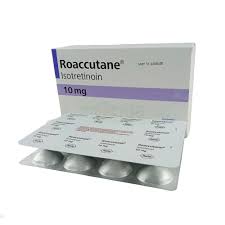
Roaccutane (isotretinoin) (Isotretinoin) soft capsule instructions content and detailed medication guidance analysis
1. Introduction to drugs
Isotretinoin (Isotretinoin) is an oral retinoic acid drug mainly used to treat moderate to severe acne (Acne vulgaris), especially in patients with severe cystic or nodular acne that is refractory to conventional topical drugs and antibiotics. It is a derivative of vitamin A, which can fundamentally control the occurrence and development of acne by regulating sebaceous gland secretion, inhibiting keratinocyte proliferation and anti-inflammatory effects.
This drug is usually taken orally in the form of soft capsules. The common specifications are 10mg, 20mg or 40mg. It is convenient to take, but due to its strong pharmacological effects and potential adverse reactions, it needs to be used strictly according to the doctor's advice.
2. Indications and scope of use
1.Main indications
Moderate to severe acne: including nodular, cystic and refractory acne;
Patients who have failed to respond to other anti-acne treatments (such as oral or topical antibiotics, topical vitamin A acid preparations).
2.Indications for special populations
In some cases, doctors may use it in adolescents or adults with acne, but the effectiveness needs to be weighed against the potential risks;
For female patients of childbearing age, special attention should be paid to contraindications and contraceptive management for pregnant women.
3. Pharmacological effects and mechanisms
Roaccutane works through the following mechanisms:
Inhibit sebum secretion: Reduce oil secretion from sebaceous glands, reducing pore clogging and the basic conditions for acne formation;
Inhibit excessive proliferation of keratinocytes: improve abnormal keratinization of hair follicles and prevent the formation of blackheads and acne;
Anti-inflammatory effect: Reduce inflammatory cell infiltration, relieve acne redness, swelling and inflammatory reaction;
Inhibit the growth of Propionibacterium acnes: indirectly improve the imbalance of acne bacteria.
4. Usage and dosage
1.Regular adult dosage
The starting dose is generally daily0.5~1 mg/kgBody weight, divided into 1~2 times orally;
The total treatment course is usually 16~24 weeks, and the dose can be adjusted according to clinical response if necessary;
If the patient is underweight or has poor tolerance, it can be started from 0.3 mg/kg and gradually increased.
2.Dosage for Children and Adolescents
It needs to be used under the guidance of a professional dermatologist. The dosage is usually calculated based on body weight, and adverse reactions should be strictly monitored.
3.How to take medicine
Soft capsules should be taken orally as a whole, with meals or milk to improve absorption;
Avoid taking it with high-fat meals or alcohol to reduce gastrointestinal discomfort.
5. Common adverse reactions and responses
1.Skin and mucous membranes
Dryness, scaling, itching, cheilitis, and nasal dryness are common;
Lip balm, moisturizing lotion and nasal saline drops can be used to relieve symptoms.
2. Changes in liver function and blood lipids
Transaminase elevation or dyslipidemia may occur, and serum liver function, triglyceride and cholesterol levels need to be monitored regularly;
When obvious abnormalities occur, the drug should be discontinued or the dosage should be adjusted, and drug intervention should be performed.
3.Nervous system and psychiatric symptoms
A small number of patients may experience symptoms such as headache, depression, and anxiety;
If you experience suicidal thoughts or severe mood swings, you should seek medical attention immediately and stop taking the medication.
4.Reproductive system and contraindications for pregnant women
IsotretinoinAAcid is highly teratogenic and is absolutely contraindicated by pregnant women;
Female patients of childbearing age should undergo a pregnancy test before taking the medicine and take effective contraceptive measures (contraception is required one month before taking the medicine, during treatment and three months after stopping the medicine);
Male patients generally do not need special contraception, but should follow doctor's advice.
6. Medication monitoring and safety guidance
1.Laboratory monitoring
Before starting treatment and every time4~6Weekly monitoring of liver function, blood lipids, and blood cell counts;
If necessary, conduct a urine test to pay attention to kidney function and proteinuria.
2.Lifestyle guidance
Avoid sun exposure and use sunscreen;
Keep your skin clean and avoid using irritating skin care products;
Avoid smoking and heavy drinking to reduce the burden on your liver.
3.Principles of follow-up and discontinuation of medication
Regular follow-up visits are required during treatment to evaluate efficacy and tolerance;
Long-term effects can generally be observed after the course of treatment, and some patients may require interval treatment or retreatment.
Isotretinoin (Isotretinoin) soft capsules are the core drug for the treatment of moderate to severe acne. They can significantly inhibit sebum secretion, improve abnormal keratinization, and have anti-inflammatory and anti-acne bacteria effects. Its efficacy is remarkable, but due to potential serious adverse reactions (such as abnormal liver function, elevated blood lipids, and teratogenic risk), it is necessary to strictly follow the doctor's instructions. Patients should adjust dosage, regularly monitor laboratory indicators under the guidance of a professional doctor, and follow lifestyle management and contraceptive measures in order to safely and effectively complete the entire course of treatment.
Reference link:https://www.drugs.com
[ 免责声明 ] 本页面内容来自公开渠道(如FDA官网、Drugs官网、原研药厂官网等),仅供持有医疗专业资质的人员用于医学药学研究参考,不构成任何治疗建议或药品推荐。所涉药品可能未在中国大陆获批上市,不适用于中国境内销售和使用。如需治疗,请咨询正规医疗机构。本站不提供药品销售或代购服务。


