
.jpeg)
Detailed analysis of the efficacy and common side effects of Doxorubicin and medication risk tips
Doxorubicin (Doxorubicin) is a commonly used anthracycline anti-tumor drug, which binds to the DNA helix Structural binding inhibits the activity of topoisomerase II, blocks DNA replication and transcription, thereby inhibiting tumor cell proliferation and inducing apoptosis. The drug is widely used in the treatment of a variety of solid tumors and hematological malignancies, including breast cancer, ovarian cancer, lung cancer, lymphoma, leukemia, etc. Doxorubicin can be used as a single agent or is often combined with other chemotherapy drugs to form a regimen to improve the efficacy.
The adverse reactions of doxorubicin mainly include the following categories:
1.Myelosuppression: manifested by a decrease in white blood cells, platelets and red blood cells, which can easily lead to an increased risk of infection, anemia and bleeding;
2.Gastrointestinal reactions: such as nausea, vomiting, loss of appetite and oral ulcers;
3.Cardiotoxicity: long-term or high-dose use can cause myocardial damage and even heart failure;
4.Hair loss: Significant hair loss may occur during chemotherapy;
5.Local reaction: If drug extravasation occurs during intravenous injection, it can lead to severe tissue damage and inflammation.
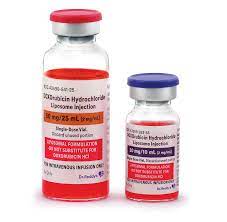
Doxorubicin has obvious toxicity characteristics, and doctors' instructions must be strictly followed during use:
1.Dose control: The cumulative dose should not be too high, with special attention to cardiac tolerance. The cumulative dose is usually limited to 400–450 mg/m²;
2.Monitoring indicators: Blood routine, liver and kidney function and cardiac function (such as electrocardiogram, echocardiogram) should be monitored before and during medication;
3. People who should use it with caution: Pregnant women, lactating women and patients with severe heart disease are prohibited or should use with caution;
4.Extravasation protection: intravenous injection should ensure a stable needle position, and use a central venous catheter if necessary.
In clinical practice, the efficacy of doxorubicin is significant, but the efficacy and risks must be weighed. In order to reduce side effects, doctors usually develop individualized chemotherapy plans based on the patient's age, weight, tumor type, and comorbid diseases, and take preventive measures (such as the use of anti-nausea drugs, injection of growth factors, and cardioprotective drugs). Patients should closely observe abnormal symptoms during treatment. If they have difficulty breathing, persistent high fever, severe fatigue or palpitations, they should seek medical treatment immediately. Rational use of doxorubicin can not only effectively control tumor progression, but also improve patients' quality of life with controllable risks.
Reference link:https://www.drugs.com
[ 免责声明 ] 本页面内容来自公开渠道(如FDA官网、Drugs官网、原研药厂官网等),仅供持有医疗专业资质的人员用于医学药学研究参考,不构成任何治疗建议或药品推荐。所涉药品可能未在中国大陆获批上市,不适用于中国境内销售和使用。如需治疗,请咨询正规医疗机构。本站不提供药品销售或代购服务。


