
.jpeg)
Will my disease progress if I stop taking Tarlatamab-Imdelltra?
Tarlatamab-Imdelltra is a novel bispecific T-cell ligation antibody (BiTE) targeting the DLL3 (Delta-like Ligand 3) protein for the treatment of extensive-stage small cell lung cancer (ES-SCLC). This drug connects T cells with tumor cells, allowing the immune system to accurately identify and kill DLL3-expressing cancer cells. In clinical treatment, continued administration of talatumumab is crucial because its efficacy relies on sustained activation of the immune response to inhibit tumor progression. Once the drug is discontinued, the balance between the immune system and the tumor may be disrupted, potentially increasing the risk of disease recurrence.
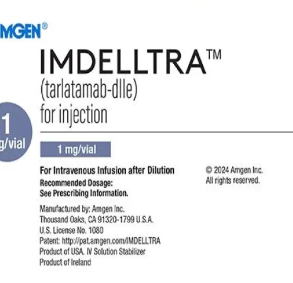
Small cell lung cancer (SCLC) is a highly aggressive tumor characterized by rapid growth and high metastasis rate. The introduction of talatumumab brings new treatment hope to patients whose disease has progressed after platinum-based chemotherapy. However, the mechanism of action of this type of immunotherapy drug is different from traditional chemotherapy or targeted therapy, and its efficacy usually relies on the continued activation of the immune system. Therefore, when patients stop taking drugs early due to adverse reactions, interruptions in drug supply, or their own reasons, the tumors may lose suppression and become active again, causing the disease to progress within weeks or months.
The changes in the condition after drug withdrawal vary from person to person. Some patients may experience a short-lived sustained immune effect, but in most cases, if treatment does not reach a stable disease control period, tumor cells may re-proliferate. Overseas experts suggest that for patients receiving talatumumab who need to suspend the medication, the tumor load, immune response and drug half-life should be assessed under the guidance of a doctor, and a transition plan should be developed, such as temporary immune regulation or maintenance therapy in combination with other drugs.
In addition, clinical studies have pointed out that some patients can regain response after resuming talatumumab treatment, which suggests that the drug will not completely lose its efficacy. However, long-term efficacy still depends on the patient's immune status and tumor biological characteristics.
Reference materials:https://www.drugs.com/mtm/tarlatamab.html
[ 免责声明 ] 本页面内容来自公开渠道(如FDA官网、Drugs官网、原研药厂官网等),仅供持有医疗专业资质的人员用于医学药学研究参考,不构成任何治疗建议或药品推荐。所涉药品可能未在中国大陆获批上市,不适用于中国境内销售和使用。如需治疗,请咨询正规医疗机构。本站不提供药品销售或代购服务。


