
.jpeg)
Which is better between lansoprazole/daclopron and rabeprazole
Lansoprazole/Daclopron (Lansoprazole) and rabeprazole (Rabeprazole) both belong to the proton pump inhibitor (PPI) class and are currently the two most commonly used prescription drugs for the clinical treatment of gastric acid-related diseases. The main mechanism of action of both is to reduce gastric acid secretion by inhibiting the H⁺/K⁺-ATPase activity of gastric parietal cells, thereby alleviating symptoms of gastroesophageal reflux, peptic ulcer, gastritis and other symptoms. Although the mechanisms of the two are similar, there are still differences in pharmacological activity, onset time, metabolic pathways, and tolerance. Therefore, there is no absolute answer to "which one is better" and needs to be judged based on the specific condition, individual differences, and drug response.
In terms of the onset of drug effect, rabeprazole is generally considered to have a slightly faster onset of effect than lansoprazole. Research shows that rabeprazole can significantly inhibit gastric acid secretion about 1 hour after taking it, making it suitable for patients who need quick relief from stomach pain or acid reflux symptoms. Although lansoprazole has a slightly slower onset of action, its acid-suppressing effect lasts longer and is more stable in maintaining gastric acid stability at night and reducing gastric mucosal irritation. Therefore, it is often used for patients with chronic gastritis or long-term maintenance treatment.
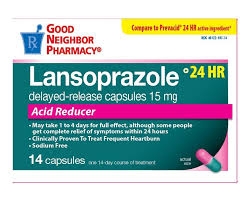
In terms of metabolic mechanism, there are big differences between the two. Lansoprazole is mainly metabolized in the liver through the CYP2C19 and CYP3A4 pathways, and the metabolism rate is greatly affected by individual genotype. For patients with low CYP2C19 activity, the plasma concentration of lansoprazole will be significantly increased, which may increase adverse drug reactions. The metabolism of rabeprazole relies more on non-enzymatic pathways and is less dependent on CYP2C19. Therefore, its performance is more stable in people with different ethnic and genetic backgrounds. This is one of the reasons why rabeprazole is often considered to have "small individual differences and more controllable effects."
In terms of drug interactions, lansoprazole may have mild interactions with some anticoagulants, antiepileptic drugs or anti-infective drugs because of its involvement in the metabolism of the CYP system. Rabeprazole, on the other hand, is relatively less involved in drug metabolism pathways and has fewer drug-drug interactions. It is more suitable for patients who require combined multi-drug therapy, such as those who take antiplatelet drugs or diabetes drugs for a long time. In addition, the pKa value of rabeprazole is slightly lower than that of lansoprazole, which means that at the same dose, rabeprazole can more effectively inhibit gastric acid production and maintain gastric pH at a higher level, which is beneficial to gastric mucosal repair and Helicobacter pylori eradication treatment.
In terms of clinical tolerance and side effects, the overall safety of both drugs is good. Common adverse reactions include mild abdominal distension, constipation, headache and fatigue, etc. However, the gastrointestinal tolerance of rabeprazole is slightly better than that of lansoprazole, especially in the elderly, the proportion of abdominal discomfort is lower. Long-term use of eitherAll PPI drugs should be noted that they may lead to the risk of vitamin B12 deficiency, reduced magnesium ions, and decreased bone density. Therefore, it is recommended that patients taking long-term medication regularly monitor electrolyte and nutritional levels.
In summary, if the patient suffers from hyperacidity, acute onset of reflux symptoms, or is accompanied by multiple chronic medications, rabeprazole is often the preferred option due to its fast onset, stable metabolism, and few interactions. For patients who require long-term maintenance treatment, have high requirements for nocturnal gastric acid control, or have limited financial conditions, lansoprazole is more cost-effective and durable. When prescribing, doctors usually choose more appropriate drugs based on the characteristics of the patient's disease course, concomitant medication, and individual metabolic differences.
Reference materials:https://www.drugs.com/lansoprazole.html
[ 免责声明 ] 本页面内容来自公开渠道(如FDA官网、Drugs官网、原研药厂官网等),仅供持有医疗专业资质的人员用于医学药学研究参考,不构成任何治疗建议或药品推荐。所涉药品可能未在中国大陆获批上市,不适用于中国境内销售和使用。如需治疗,请咨询正规医疗机构。本站不提供药品销售或代购服务。


