
.jpeg)
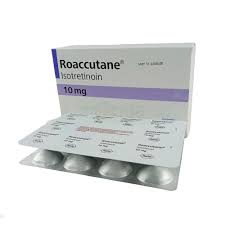
Interpretation of the usage, dosage and adverse reaction instructions of Roaccutane (isotretinoin) soft capsules
1. Overview of Drugs
Roacintan (Isotretinoin) is a vitamin A acid oral preparation. It is mainly used to treat moderate to severe acne, especially for patients with refractory acne who do not respond well to topical treatments or other systemic drugs (such as antibiotics). The drug regulates the secretion of sebaceous glands, inhibits sebum production, promotes keratinocyte differentiation and has certain anti-inflammatory effects, thereby effectively controlling the course of acne and reducing inflammatory and non-inflammatory skin lesions. Since oral administration of isotretinoin Aacid has high systemic absorption and significant efficacy, it may cause a variety of adverse reactions, so medication instructions and doctor's advice must be strictly followed.
2. Usage and dosage
1.Starting dose and adjustment: The recommended starting dose for adults and adolescent patients is 0.5 mg/kg body weight per day, divided into 1-2 oral doses; for patients with good tolerance or severe illness, it can be gradually increased to 1 mg/kg body weight per day according to the doctor's evaluation. Dosage adjustment needs to be based on the patient's weight, disease severity and tolerance, while monitoring blood lipids, liver function and clinical response.
2.Treatment course and cycle: The general treatment cycle is 16-20 weeks, and each cycle of treatment should reach a total cumulative dose of approximately 120-150 mg/kg to reduce the risk of recurrence. The efficacy needs to be evaluated after the course of treatment. If the acne is not completely relieved, a second course of treatment can be performed under the guidance of a doctor.
3.How to take: The drug needs to be taken orally with food, especially high-fat food can increase the absorption rate. The daily dose should be taken at a fixed time to avoid missing doses or increasing or decreasing the dose at will. Patients should strictly abide by the doctor's instructions during the entire treatment period and are not allowed to adjust the dosage or stop the medication early.
3. Adverse reactions and management
IsotretinoinAAcid’s common adverse reactions are mainly related to its systemic effects and vitaminAacid activity:
1.Skin and mucous membrane reactions: Dry lips, dry skin, scaling, itching or rash are the most common adverse reactions, which can usually be relieved by topical emollients, lip balms and gentle cleansing.
2.Abnormal laboratory indicators: elevated blood lipids (triglycerides, cholesterol), elevated liver function indicators (ALT, may occurAST), blood lipids and liver function need to be monitored regularly during treatment. If significant abnormalities occur, the dose needs to be adjusted or the drug temporarily discontinued.
3.Nervous system and others: A few patients may experience headache, dry eyes, joint or muscle pain. In rare cases, depression or visual abnormalities may occur. If any abnormalities occur, seek medical attention promptly.
4.Reproductive system and pregnancy risks: IsotretinoinAacid is highly teratogenic and is contraindicated in pregnant women. Women of childbearing age must confirm their non-pregnancy status before taking the medication, and take effective contraceptive measures during the entire course of treatment and for at least one month after stopping the medication. Male patients should avoid contact of semen with pregnant women and pay attention to personal protection.
4. Special groups and medication precautions
1.Children and adolescents: The dose needs to be adjusted individually based on weight and tolerance, and growth, development and laboratory indicators must be closely monitored.
2. Patients with abnormal liver and renal function: Liver and renal function need to be evaluated before use. Patients with severe abnormalities need to use with caution or choose alternative treatments.
3.Drug interactions: Avoid simultaneous use with vitamin Aacid drugs and tetracycline antibiotics to reduce the risk of increased intracranial pressure; avoid excessive alcohol to prevent increased burden on the liver.
4. Regular follow-up: During the treatment period, patients need to review liver function, blood lipids and blood routine every month, and conduct clinical evaluation at the same time. If serious adverse reactions occur, the dosage should be adjusted or the drug discontinued in a timely manner.
Isotretinoin (Isotretinoin), as a systemic treatment for moderate to severe acne, has significant clinical efficacy and can improve excessive sebum secretion and inflammatory skin lesions. However, due to its potential adverse reactions and risk of teratogenesis, the medication must strictly follow the doctor's instructions and instructions. Reasonable dosage, regular monitoring of blood lipids, liver function and clinical response, combined with good living and skin care habits, can minimize risks while ensuring efficacy, and provide patients with safe and effective acne treatment options.
Reference materials:https://www.drugs.com/
[ 免责声明 ] 本页面内容来自公开渠道(如FDA官网、Drugs官网、原研药厂官网等),仅供持有医疗专业资质的人员用于医学药学研究参考,不构成任何治疗建议或药品推荐。所涉药品可能未在中国大陆获批上市,不适用于中国境内销售和使用。如需治疗,请咨询正规医疗机构。本站不提供药品销售或代购服务。


