
.jpeg)
Comprehensive interpretation of the key contents and precautions for use of Doxorubicin drug instructions
1. Overview of Drugs
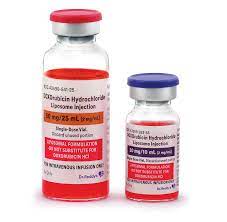
Doxorubicin (Doxorubicin) is an anthracycline anti-tumor drug that is widely used in the treatment of a variety of malignant tumors, including breast cancer, ovarian cancer, lung cancer, leukemia, lymphoma, etc. Its main mechanism of action is to inhibit the activity of topoisomerase II by inserting DNA double strands, thereby preventing DNA replication and transcription and causing tumor cell apoptosis. In addition, doxorubicin can also generate free radicals, further damaging the nucleic acid and membrane structure of tumor cells. This drug is a cell cycle non-specific drug that can exert a strong killing effect on rapidly proliferating tumor cells, but it is also toxic to normal cells, so the dosage and monitoring methods need to be strictly controlled.
2. Usage, dosage and administration method
Doxorubicin is usually given by intravenous infusion, either alone or in combination with other chemotherapy drugs. The usual dose for adults is 60-75 mg/m per square meter of body surface area, and every 3 weeks is a course of treatment. The specific dosage needs to be adjusted individually based on the patient's tumor type, previous chemotherapy history, liver function and blood picture. The dosage for pediatric patients needs to be calculated based on body surface area and tolerance, and cardiac function and blood images must be strictly monitored.
Administration should be administered by slow intravenous infusion, usually from 30 minutes to 1 hour, to reduce vascular irritation and local damage. Intravenous injection or subcutaneous injection is prohibited to prevent drug leakage and tissue necrosis (drug extravasation). During use, avoid direct mixing with strong acids, strong bases or other chemotherapy drugs to prevent drug instability or chemical reactions.
3. Adverse reactions and monitoring
Doxorubicin has many adverse reactions, mainly involving cardiovascular, blood system, digestive system and hair loss:
1. Cardiotoxicity: The cumulative dose correlation is the strongest and may cause myocardial damage, arrhythmia and even congestive heart failure. Cardiac function (electrocardiogram, echocardiogram) should be evaluated before use, and cardiac function indicators should be reviewed regularly during treatment. Use with caution and limit cumulative dose in patients with previous cardiac disease.
2.Myelosuppression: It can lead to a decrease in white blood cells, red blood cells and platelets, leading to the risk of infection, anemia or bleeding. Blood routine needs to be monitored regularly during treatment. If there is a significant decline, the next course of treatment should be appropriately delayed or the dose should be adjusted.
3.Digestive system reactions: including nausea, vomiting, loss of appetite and oral mucositis. Antiemetics, oral care and nutritional support can be used under the guidance of a doctor for relief.
4.Other reactions: Hair loss is a common side effect, which usually recovers after stopping the drug; erythema and pigmentation may appear on the skin and mucous membranes. Rare but serious cases include liver function damage, kidney function abnormalities, etc.
4. Special medication precautions
1.Drug interactions: Caution is required when doxorubicin is used in combination with other anthracyclines, radiotherapy, or specific drugs (such as cardiac drugs) to avoid accumulation of cardiotoxicity.
2. Pregnancy and lactation: It is contraindicated for pregnant women. Doxorubicin is obviously teratogenic to the fetus; breastfeeding should be stopped during lactation.
3. Drug storage and operation: The drug is an anti-tumor drug with strong extravasation. Medical staff should wear protective gloves and goggles during preparation and administration to avoid contact with skin and mucous membranes. If extravasation occurs, it should be dealt with immediately according to the extravasation treatment specifications.
4.Patient life guidance: During chemotherapy, you should pay attention to rest, eat a balanced diet, and avoid infection; follow up your blood count, liver, kidney and heart functions regularly, and report abnormal symptoms in a timely manner.
Doxorubicin, as a classic anthracycline anti-tumor drug, has significant efficacy in a variety of solid tumors and hematological malignancies. However, its significant adverse reactions and cardiotoxicity limit the cumulative dose, and the instructions must be strictly followed during use. Reasonable dosage, monitoring cardiovascular and hematological indicators, paying attention to drug interactions and operational safety can maximize the efficacy while ensuring patient medication safety. Through individualized treatment and multidisciplinary management, doxorubicin can provide effective chemotherapy options for cancer patients.
Reference materials:https://www.drugs.com/
[ 免责声明 ] 本页面内容来自公开渠道(如FDA官网、Drugs官网、原研药厂官网等),仅供持有医疗专业资质的人员用于医学药学研究参考,不构成任何治疗建议或药品推荐。所涉药品可能未在中国大陆获批上市,不适用于中国境内销售和使用。如需治疗,请咨询正规医疗机构。本站不提供药品销售或代购服务。


