
.jpeg)
How to deal with common side effects of Lorlatinib/lorlatinib (Borina)
Lorlatinib/Lorlatinib (Lorlatinib) is a third-generation ALK/ROS1-targeted inhibitor that is widely used to treat ALK-positive or ROS1-positive non-small cell lung cancer (NSCLC). As a new generation of targeted drugs, lorlatinib can break through the resistance barrier of early drugs (such as crizotinib, alectinib, etc.) and shows significant efficacy in patients with central nervous system metastases. However, in clinical use, lorlatinib still induces a range of side effects that are manageable but of concern.
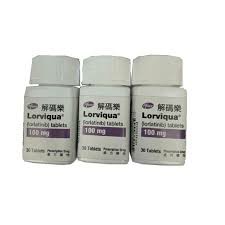
The most common adverse reactions of lorlatinib include increased blood lipids, weight gain, changes in cognitive function, mood swings, edema, and peripheral neurological symptoms. Among them, dyslipidemia (especially elevated cholesterol and triglycerides) is one of the most typical metabolic side effects. To deal with this problem, doctors usually recommend that patients regularly monitor blood lipid levels during medication and, if necessary, use lipid-lowering drugs (such as statins or non-statin drugs) in combination with a low-fat diet.
In terms of nervous system-related reactions, some patients will experience mild memory loss, emotional anxiety, or decreased attention. Most of these symptoms are reversible and generally resolve gradually with the extension of treatment time or dose adjustment. If the symptoms significantly affect your life, you can temporarily reduce the dose or discontinue the drug for a short period under the guidance of a doctor, and then gradually restore the original dose. For patients with mild depression or sleep disorders, psychological intervention or adjuvant medication may be considered to improve quality of life.
Weight gain and edema are also common complaints and are primarily related to metabolic changes caused by medications. It is recommended that patients pay attention to a balanced diet during medication, reduce the intake of high-salt and high-sugar foods, and exercise moderately to maintain metabolic balance. Your doctor will consider giving diuretics to reduce swelling if necessary.
In addition, lorlatinib may occasionally cause mild numbness in the hands and feet or peripheral nerve discomfort. This situation is mostly a controllable drug-related neurological reaction, which can be improved through vitamin B supplementation or adjustment of the medication regimen.
References:https://www.lorbrena.com/
[ 免责声明 ] 本页面内容来自公开渠道(如FDA官网、Drugs官网、原研药厂官网等),仅供持有医疗专业资质的人员用于医学药学研究参考,不构成任何治疗建议或药品推荐。所涉药品可能未在中国大陆获批上市,不适用于中国境内销售和使用。如需治疗,请咨询正规医疗机构。本站不提供药品销售或代购服务。


