
.jpeg)
Why is cabozantinib not recommended?
Cabozantinib is an oral small molecule multi-target tyrosine kinase inhibitor (TKI) mainly used to treat advanced solid tumors such as renal cell carcinoma (RCC), hepatocellular carcinoma (HCC) and differentiated thyroid cancer (DTC). Its targets cover multiple signaling pathways such as VEGFR, MET, and AXL, and can inhibit tumor angiogenesis, cell proliferation, and metastasis. However, although it has shown good efficacy in the treatment of advanced tumors, not all patients are suitable for cabozantinib, and there are a series of safety and indication limitations that make its use not recommended in specific circumstances.
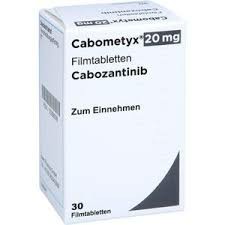
The adverse effects of cabozantinib are more obvious, especially in high-dose regimens as single agent or combination therapy. Common side effects include hypertension, diarrhea, fatigue, stomatitis, hand-foot syndrome, and abnormal liver function. For patients with cardiovascular disease, the risk of high blood pressure and abnormal heartbeats is significantly increased, which can lead to serious complications if heart function is not adequately assessed before use. In addition, in patients with hepatic and renal insufficiency or previous severe liver injury, the metabolism of cabozantinib may be affected, resulting in elevated plasma concentrations and increased risk of toxicity.
Cabozantinib is a systemic targeted drug. Although its multi-target effect enhances the anti-tumor effect, it also increases the possibility of interactions between the drug and other drugs. Patients taking anticoagulants, certain cardiovascular drugs, or drugs related to the CYP3A4 enzyme system may experience abnormal blood drug concentrations or aggravated toxic and side effects if they are not strictly monitored by a doctor. Therefore, for patients with co-morbidities or long-term use of other prescription drugs, it is generally clinically recommended to carefully evaluate whether cabozantinib is suitable for use.
Additionally, cabozantinib is not recommended for use in pregnant or breastfeeding patients. Animal studies have shown that high doses of cabozantinib may affect fetal development and cause embryotoxicity. In addition, safety and effectiveness have not been fully established for children and minor patients, and self-medication is not recommended unless used under strict clinical guidance.
Reference:https://en.wikipedia.org/wiki/Cabozantinib
[ 免责声明 ] 本页面内容来自公开渠道(如FDA官网、Drugs官网、原研药厂官网等),仅供持有医疗专业资质的人员用于医学药学研究参考,不构成任何治疗建议或药品推荐。所涉药品可能未在中国大陆获批上市,不适用于中国境内销售和使用。如需治疗,请咨询正规医疗机构。本站不提供药品销售或代购服务。


