
.jpeg)
Description of possible side effects of mirikizumab
Although Milikizumab is a highly selective and well-tolerated targeted biological agent, as an immunomodulatory drug, it may still cause a series of adverse reactions related to the immune system. Understanding common side effects and countermeasures is critical to ensuring medication safety and maintaining therapeutic effects.
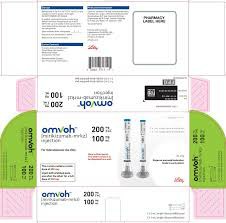
According to overseas drug instructions and real-world use experience, the common side effects of milizumab are mostly mild to moderate and can usually be relieved by themselves or improved by adjusting the treatment plan. The most common reactions include upper respiratory tract infection, nasopharyngitis, headache, fatigue, and injection site reactions. Since the drug works by regulating the immune system, some patients may experience mild infections, such as sore throat, cough or cold-like symptoms in the early stages of taking the drug. Such cases generally do not require discontinuation of the drug, but they require close observation and treatment under the guidance of a doctor.
In addition, a small number of patients may experience gastrointestinal discomfort, such as diarrhea, abdominal pain, nausea, etc. This is related to the immunomodulatory mechanism of the drug, and most of them can be gradually relieved after treatment continues for a period of time. If the symptoms are obvious or accompanied by weight loss, you should seek medical attention promptly.
Dermatological adverse reactions are also one of the rare side effects of milizumab, such as rash or mild itching. This is usually a sign of an allergic reaction. If severe skin reactions such as erythema, blisters, or peeling occur, you should stop taking the drug immediately and seek medical help.
Potential risks associated with immunosuppression also require attention. Although militizumab has relatively mild effects on the immune system, long-term use may still slightly increase the risk of infection, especially reactivation of latent tuberculosis or fungal infections. Therefore, before starting treatment, doctors usually recommend screening for infections, including tuberculosis, hepatitis B, etc., to ensure safe medication use.
In rare cases, patients may experience abnormal liver function or allergic reactions, such as difficulty breathing, chest tightness, or blood pressure fluctuations, which require immediate medical attention.
Reference materials:https://omvoh.lilly.com/
[ 免责声明 ] 本页面内容来自公开渠道(如FDA官网、Drugs官网、原研药厂官网等),仅供持有医疗专业资质的人员用于医学药学研究参考,不构成任何治疗建议或药品推荐。所涉药品可能未在中国大陆获批上市,不适用于中国境内销售和使用。如需治疗,请咨询正规医疗机构。本站不提供药品销售或代购服务。


