
.jpeg)
Cabozantinib usage and dosage
Cabozantinib is an oral multi-target tyrosine kinase inhibitor used for the treatment of advanced solid tumors, including renal cell carcinoma (RCC), hepatocellular carcinoma (HCC) and differentiated thyroid cancer (DTC). Drug dosage must strictly follow the doctor's instructions and be individually adjusted based on the indications, patient's physical condition and combined medication regimen to ensure maximum efficacy and controllable safety.
For patients with renal cell carcinoma, the recommended dose of cabozantinib as a single agent is60 mg once a day orally until disease progression or unacceptable toxicity occurs. If used in combination with the immune checkpoint inhibitor nivolumab, the recommended dose is 40 mg orally once daily on an empty stomach until disease progression or unacceptable toxicity occurs. Combinations are designed to balance targeting and immune efficacy while reducing the risk of adverse reactions.
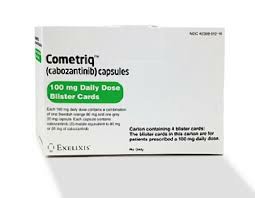
When patients with hepatocellular carcinoma are treated with cabozantinib, the recommended single-agent dose is also 60 mg once a day until disease progression or unacceptable toxicity occurs. This dose has been shown to be effective and tolerable in clinical trials. During treatment, blood pressure, liver function and routine blood tests need to be monitored regularly to prevent drug-related toxicity.
Patients with differentiated thyroid cancer (adults and children over 12 years old with a body surface area≥1.2m²) can also use a single dose of 60 mg once a day until disease progression or intolerable toxicity occurs. For pediatric patients, necessary adjustments should be made based on body surface area and tolerance under the guidance of a specialist.
The dosing principle of cabozantinib emphasizes continuous, once-daily, fasting administration. Drug absorption is greatly affected by food. Taking the drug at least1 hour before or after a meal can ensure stable blood concentration. During treatment, attention should be paid to adverse drug reactions, including hypertension, hand-foot syndrome, fatigue, abnormal liver function, and gastrointestinal reactions. If serious side effects occur, doctors may adopt strategies such as dose reduction, intermittent dosing, or temporary discontinuation of medication.
Reference:https://en.wikipedia.org/wiki/Cabozantinib
[ 免责声明 ] 本页面内容来自公开渠道(如FDA官网、Drugs官网、原研药厂官网等),仅供持有医疗专业资质的人员用于医学药学研究参考,不构成任何治疗建议或药品推荐。所涉药品可能未在中国大陆获批上市,不适用于中国境内销售和使用。如需治疗,请咨询正规医疗机构。本站不提供药品销售或代购服务。


