
.jpeg)
Detailed instructions for Bosutinib
1. Common and product names
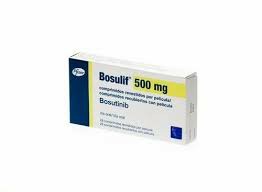
Bosutinib (Bosutinib), trade name BOSULIF, also commonly known as bosutinib, bosutinib, bosutinib or posutinib, is a new oral targeted drug used to treat chronic myelogenous leukemia (CML). In clinical practice, bosutinib is widely used as a second-generation tyrosine kinase inhibitor (TKI), especially for first-line and patients who are resistant or intolerant to previous TKI treatment.
2. Indications
Bosutinib is mainly targeted at adult patients with chronic myelogenous leukemia: newly diagnosed chronic phase (CP) Philadelphia chromosome-positive CML, and patients 1 year and older with chronic phase, accelerated phase (AP) or blast phase (BP) Ph+CML, especially those who have developed resistance or intolerance to previous treatments. Clinical studies of the drug show that it has clear efficacy in CML patients at different stages and can maintain disease control for a long time.
3. Usage and dosage
Bosutinib is an oral tablet and is recommended to be taken with food to reduce gastrointestinal adverse reactions. The recommended dose for patients with newly diagnosed CP Ph+CML is 400 mg once daily; for patients with CP, AP or BP Ph+CML who are resistant or intolerant to previous treatment, the recommended dose is 500 mg once daily. In clinical practice, it is allowed to gradually increase the dose in increments of 100 mg once daily, up to a maximum of 600 mg daily, if no serious adverse reactions occur.
During treatment, the drug dosage may need to be adjusted to cope with different adverse reactions: when liver function is abnormal, the drug needs to be suspended and restarted after the liver enzymes recover; when severe diarrhea occurs, the drug should be suspended until it returns to mild; patients with bone marrow suppression or platelet decline need to adjust the dose or temporarily discontinue the drug based on blood pictures; for patients with renal or liver damage, the dose also needs to be lowered to a safe range.
4. Adverse reactions
Common side effects of bosutinib include diarrhea, rash, nausea, vomiting, fatigue, abnormal liver function and respiratory tract infection. Decreased hemoglobin, decreased thrombocytopenia, decreased white blood cell count, and elevated liver enzymes may appear on laboratory tests. A small number of patients have experienced rare serious adverse events such as thrombotic microangiopathy and Stevens-Johnson syndrome after marketing. Therefore, blood, liver function and clinical symptoms need to be monitored regularly during treatment.
5. Storage conditions
Bosutinib should be storedat 20°C to 25°C (15°C to 30°C deviation is allowed) and avoid contact with broken or crushed tablets. Unused medicines should be disposed of according to local medicine recycling or waste management to ensure safety.
6. Taboo
This drug is contraindicated in patients with an allergic reaction to bosutinib or its components. Known allergic reactions may include rash, respiratory symptoms, and anaphylaxis.
7. Mechanism of action
Bosutinib blocks abnormal leukocyte proliferation by inhibitingBCR-ABL kinase, while inhibiting Src family kinases (including Src, Lyn and Hck). It is active against a variety of imatinib-resistant BCR-ABL mutations, but does not inhibit T315I and V299L mutations. Its targeting mechanism makes bosutinib unique among second-generation TKIs, especially suitable for drug-resistant patients.
8. Precautions for use by special groups of people
There are risks to the fetus or infant when bosutinib is used by pregnant and breastfeeding women. It is recommended that female patients take effective contraceptive measures during treatment and for at least two weeks after stopping the drug to avoid pregnancy and avoid breastfeeding.
Reference materials:https://go.drugbank.com/drugs/DB06616
[ 免责声明 ] 本页面内容来自公开渠道(如FDA官网、Drugs官网、原研药厂官网等),仅供持有医疗专业资质的人员用于医学药学研究参考,不构成任何治疗建议或药品推荐。所涉药品可能未在中国大陆获批上市,不适用于中国境内销售和使用。如需治疗,请咨询正规医疗机构。本站不提供药品销售或代购服务。


