
.jpeg)
Content analysis and key medication information of Pimitespib instructions
1. Drug overview and indications
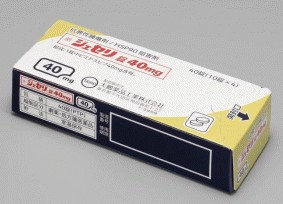
Pimitespib (Pimitespib) is a new oral small molecule HSP90 inhibitor, developed in Japan, with the trade name TAS-116. The drug selectively inhibits the function of heat shock protein 90 (HSP90), interfering with multiple signaling pathways in tumor cells, thereby inhibiting the growth and survival of cancer cells. Compared with early HSP90 inhibitors, pimetibi has significantly improved selectivity and safety, especially reducing ocular toxicity.
Currently, pimetibi has been approved in Japan for the treatment of adult patients with advanced gastric cancer who have failed standard treatments, especially those whose disease has progressed despite treatment with fluorouracils, platinums, taxanes and anti-VEGF drugs. In addition, pimetibi is also undergoing clinical trials in a variety of solid tumors (such as lung cancer, colorectal cancer, GIST, etc.), showing potential multi-target anti-tumor application value.
2. Usage, dosage and precautions
According to the recommendation of the Japanese drug instructions, the standard usage of pimotebi is 160mg/day, once a day, orally after meals, continuously for 5 days, with rest 2 days constitute a cycle (i.e., a weekly dosing pattern of 5 days on medication + 2 days off medication). The drug is provided in the form of oral tablets. Patients need to swallow the tablets whole and do not break, crush or dissolve to ensure drug stability and absorption.
During the course of medication, if serious adverse reactions occur (such as Grade 3 or above diarrhea, abnormal liver function, etc.), the dose should be adjusted or the medication should be temporarily discontinued according to the severity of the adverse reactions. Common dose adjustment strategies include: reducing the dose to 120 mg/day for the first time, and if it is still intolerable, further reducing the dose to 80 mg/day. For the elderly or patients with impaired liver function, adverse drug reactions need to be closely monitored and the dosage adjusted accordingly.
Avoid taking the drug on an empty stomach, as administration after meals can improve drug tolerance and reduce gastrointestinal irritation. In addition, patients are advised to maintain adequate fluid intake during medication to reduce the occurrence of gastrointestinal side effects.
3. Clinical efficacy and key research results
Pimetibib'sIII clinical trial (CHAPTER-GC) is an important basis for its approval. This study included patients with advanced gastric cancer who had failed multiple lines of treatment and compared the effect of pimotebi treatment with placebo treatment. The results showed that the median overall survival (OS) of the pimetibi treatment group was 8.3 months, which was significantly better than the placebo group's 4.5 months; the median progression-free survival (PFS) was 2.8 months, compared with only 1.4 months in the control group. The objective response rate (ORR) was 4%, and the disease control rate (DCR) reached 45%, indicating that the drug has certain clinical value in disease control.
It is worth mentioning that compared with previous HSP90 inhibitors, pimotebi has a better safety profile. Especially in terms of ocular toxicity, previous drugs often caused severe visual impairment, but the incidence of ocular adverse events in clinical trials of pimetibi was significantly reduced, mainly due to its optimized molecular structure and dosage regimen.
Currently, pimetibib is also showing anti-tumor activity in clinical trials against GIST (gastrointestinal stromal tumor) and other refractory tumors, providing a new treatment option for patients who have failed previous multi-line targeted drug treatments.
4. Adverse reactions, contraindications and medication monitoring
Common adverse reactions of pimetibib include: diarrhea (about 70%), nausea, loss of appetite, fatigue, increase in liver function indicators (such as AST/ALT increase), etc. Most of them are grade 1–2 and can be relieved after symptomatic and supportive treatment. Diarrhea is the most common dose-limiting toxicity. It is recommended that patients should promptly rehydrate and use antidiarrheal drugs (such as loperamide) once diarrhea occurs. If it persists or is severe, the drug should be discontinued and evaluated before deciding whether to resume treatment.
Ocular adverse events are relatively rare, but caution is still required. If blurred vision or other visual abnormalities occur, the drug should be discontinued immediately and an eye examination should be performed. In terms of contraindications, patients who are allergic to this drug or any of its components are prohibited from using it; pregnant women and lactating women are prohibited from using it, as animal experiments suggest that it may have adverse effects on the fetus.
Blood routine, liver and kidney function and electrolyte levels should be monitored regularly during medication, especially liver function indicators such as AST, ALT and bilirubin. In addition, attention should be paid to drug-drug interactions. Currently, pimetibi is mainly passed throughCYP3A4Metabolism, caution should be used when combined with potent CYP3A4 inhibitors or inducers, which may affect drug concentration and efficacy.
Pimitespib (Pimitespib) is a HSP90 inhibitor with a unique mechanism of action, clear efficacy and relatively good safety. It is mainly used for advanced gastric cancer that has failed standard treatments. It is easy to take orally, well tolerated, and has significantly prolonged patient survival in clinical trials, making it an important innovative treatment option. During clinical use, the administration method, dose adjustment and adverse reaction monitoring requirements specified in the instructions must be strictly followed to ensure the therapeutic effect and reduce risks. In the future, with the release of clinical data for more indications, pimetibi is expected to play a greater role in the treatment of various solid tumors.
Reference materials:https://www.drugs.com/
[ 免责声明 ] 本页面内容来自公开渠道(如FDA官网、Drugs官网、原研药厂官网等),仅供持有医疗专业资质的人员用于医学药学研究参考,不构成任何治疗建议或药品推荐。所涉药品可能未在中国大陆获批上市,不适用于中国境内销售和使用。如需治疗,请咨询正规医疗机构。本站不提供药品销售或代购服务。


